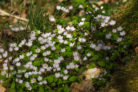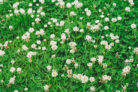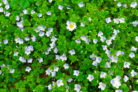
At some point, every gardener runs into this little guy—whether it’s an uninvited guest in your backyard or a familiar face along a shaded forest trail. Most people just walk right past it without a second thought, but if you’re the curious type, you might find yourself wondering: “Is that stuff edible?” Well, just like many of those “ignored” wild herbs out there, the answer is a resounding yes!
Creeping Woodsorrel is edible!
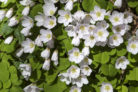
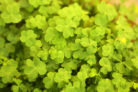
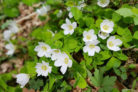
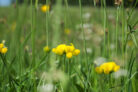
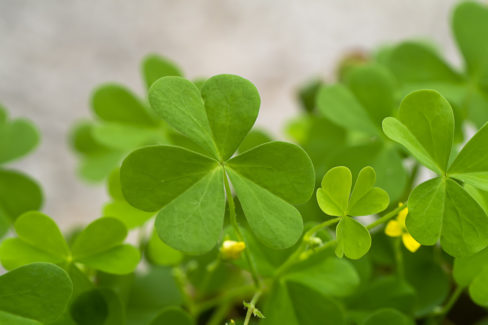
You can spot Creeping Woodsorrel (Oxalis corniculata) by its cheerful yellow flowers, which bloom from May all the way through October. Its green leaves are made up of three little hearts and often have a pretty reddish-purple tint. While it loves the shade of deciduous and coniferous forests, it’s also a pro at making itself at home in our gardens. If you want to be 100% sure about your ID, I always recommend grabbing a good illustrated wild herb guide or doing a quick Google search to compare photos.
- The leaves and flowers are the most popular parts to use.
- They’re great in salads or tossed into a morning smoothie.
- The flavor is refreshingly tart and lemony.
- It also has a lovely fruity, spicy undertone.
- The roots and seed pods can even be cooked up like a vegetable.
A quick heads-up: Watch the oxalic acid!
Even though it’s edible, there is one thing to keep in mind: it contains oxalic acid. This is the same stuff found in spinach and several other leafy greens we grow in our garden beds. While cooking helps break it down, you should still enjoy this clover-lookalike in moderation, especially if you’re eating it raw.
It’s a medicinal plant, too
Creeping Woodsorrel isn’t just a snack; it’s packed with mucilage, which can be really soothing for the body. It’s also loaded with Vitamin C and healthy oils. Traditionally, it’s been used to help with everything from fevers and gallstones to gout, urinary tract infections, stomach cramps, heartburn, and even rheumatism. To get those benefits, people often brew it into a tea, turn it into juice, or make a tincture.
Growing your own on purpose
I know, I know—some gardeners get pretty frustrated with woodsorrel because it spreads so enthusiastically. Usually, these are the folks dreaming of a “perfect” manicured lawn who prefer the word weed over “wild herb.” They’ll fight it down to the very last root.
But if you’ve actually developed a taste for it, there’s no need to destroy it! If it hasn’t popped up in your yard yet, you can actually plant it on purpose. It loves a spot with light shade and moist, fresh soil. Aim to get it in the ground around May. The best part? You only have to plant it once—it’s an expert at spreading itself around!
Pro Tip:
Because of the oxalic acid content, you might want to skip growing woodsorrel if you have curious toddlers or pets who like to sample the greenery when you aren’t looking.