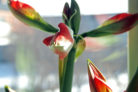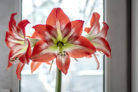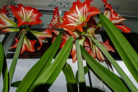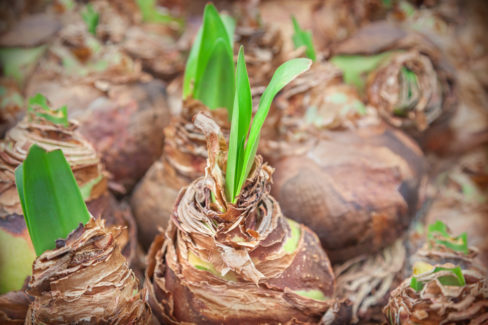
The Amaryllis (or *Hippeastrum*) is hands-down one of the most stunning bloomers to have around during the winter. Those elegant, oversized flowers are exactly what we need to brighten up those gloomy, dark months. Since you’ll often find them sold as bare bulbs at the garden center, they can feel like a bit of a project for hobby gardeners. But don’t worry—I’ve got you covered. Here is everything you need to know about handling and growing these beautiful (but toxic!) bulbs the right way.
Planting: Give that bulb some breathing room
Planting an Amaryllis is a little different than tucking tulips or daffodils into the ground. You actually don’t want to bury the whole thing in your potting mix. You’ll also want a pot that’s just the right size—aim for about two inches of space between the bulb and the rim of the pot.
Here’s my foolproof planting technique:
- Start with a pot that has good drainage. Add a layer of clay pebbles at the bottom for extra airflow, then fill it about three-quarters full with soil. A mix of standard potting soil and cactus mix works wonders here.
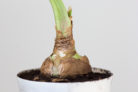
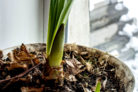
- Place the bulb right in the center. You only want to cover about two-thirds of it with soil, leaving the top “neck” exposed.
- Press the soil down firmly around it.
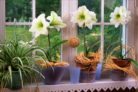
Once planted, find a warm, bright spot on a windowsill with indirect light. They’re happiest when the temperature stays between 68°F and 72°F.
The secret to spectacular blooms: Careful TLC
After you first pot it up, water it very sparingly. The best trick is to pour water into the saucer, let it sit for about 10 minutes, and then pour out any excess. Once the flower stalk reaches about 5 inches tall, you can start watering more regularly. Just wait until the surface of the soil feels dry to the touch before giving it another drink.
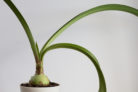
Amaryllis bulbs usually wait to grow their leaves until after the flowers get going. As soon as you see those first green leaves peeking out, it’s time to start feeding. Use a good liquid fertilizer every two weeks through the end of July to keep the bulb strong for next year.
A word of caution: These beauties are toxic
As much as we love the Amaryllis for its colors, it does have a dark side. The entire plant contains highly toxic alkaloids, with the highest concentration found right in the bulb itself. Ingesting even a small amount can cause serious poisoning. For vulnerable people, like small children or the elderly, it can even be fatal. If you have toddlers running around the house, this might not be the best plant to keep within reach.
Watch out for skin irritation
It’s not just about keeping the plant away from your mouth—you also want to avoid getting the sap on your skin. The juice from the plant can cause painful rashes or dermatitis. To play it safe, always pop on a pair of gardening gloves when you’re planting or pruning, and make sure everyone in the house knows to handle the plant with care.
How to store your bulbs for the off-season
When fall rolls around and it’s time for the bulb to rest, it’ll be happiest in a dark, cool basement at around 50°F. For proper storage, lay the bulbs out on a shelf where they aren’t touching each other. One pro tip: keep them far away from ripening fruit. Apples and tomatoes release ethylene gas, which can trick your Amaryllis bulbs into sprouting way too early!