Every garden is unique, and finding the right fit for your space is key to a happy harvest. Before you dig that hole and plant a new fruit tree, you’ll want to do a little homework on which tree form actually works for your yard. A tiny suburban lot needs a completely different setup than a sprawling meadow or a large backyard. Here’s the lowdown on what you need to know.
Common Tree Forms
The main way we tell fruit tree forms apart is by their trunk height, though sometimes the shape of the canopy plays a role too. Generally, you’ll be choosing between standard (full-size), semi-standard, bush, spindle, and espalier forms.
The Standard Tree (Hochstamm)
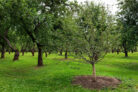
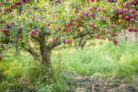
Standard trees are the giants of the orchard. They are perfect for large properties, old farmsteads, or open meadows. While full-sized apple trees aren’t as common in backyard gardens these days, they are ecological powerhouses for local wildlife. These trees usually have a trunk height of about 5 to 6.5 feet and start producing fruit around their fourth year. They are a long-term investment, often living up to 100 years! Just make sure you give them plenty of elbow room—you’ll need a planting distance of at least 25 to 33 feet, meaning one tree needs about 650 square feet of space to thrive.
The Semi-Standard Tree (Halbstamm)
The semi-standard is a sturdy, vigorous grower that reaches a trunk height of about 3 to 4.5 feet. These trees are built to last, with a lifespan of 60 to 100 years. When planting a semi-standard apple tree, aim for a spacing of 20 to 26 feet. Budget about 430 square feet of open space per tree to keep it happy.
The Bush Form
The most common shape you’ll see in home gardens is the bush (or standard bush) form. The trunk is kept shorter—anywhere from 2 feet up to 6 feet. To keep these looking their best, you’ll want to do some winter pruning to maintain a nice, compact, rounded canopy.
The Spindle Form
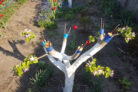
Spindle trees are only possible when a variety is grafted onto a very “dwarfing” rootstock. If you’re looking for an apple tree in this form, keep an eye out for rootstocks like ‘M9’ or ‘M26’. The big perk here? Because the trees stay small, they are incredibly easy to prune and harvest without a giant ladder. Plus, you can fit several small spindle trees in the space of one large standard tree, which is a huge plus for cross-pollination.
The Espalier Form
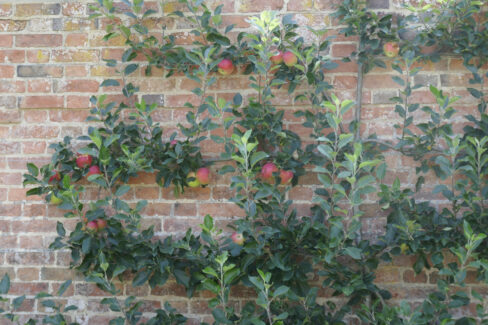
Espalier trees are the ultimate space-savers. These are trained to grow flat against a wall, fence, or trellis. They look absolutely stunning and can even act as a living “privacy fence” or windbreak. They are also total magnets for birds and beneficial insects. If you’re working with a small urban garden, espalier is definitely the way to go!