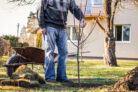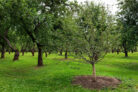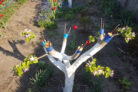
Apple trees are such a classic gift for the big milestones in life—think births, weddings, or those “big zero” birthdays. Planting one in your yard is like planting a living legacy. But if you really want to track that journey and look back on it years from now, keeping a tree journal is a total game-changer. I’m going to walk you through how to start your own tree diary and why it’s one of the best things you can do for your garden.
What Exactly is a Tree Journal?
Simply put, a tree journal is a way to document your tree’s growth and development over a long period of time. There aren’t any strict rules or “right” ways to do it—it’s your project! However, if you’re new to the idea, having a few guidelines can help you stay consistent and make the most of the experience.
Start with the Basics
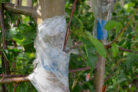
First things first: write down the vitals. When you buy a high-quality tree, it usually comes with a tag or seal of quality. This tag includes important info like the rootstock and whether it’s certified “virus-free.” Make sure you record the specific variety and the rootstock right away so you don’t forget.
What to Include in Your Journal
A tree journal is the best way to really get to know your apple tree’s personality.
Here’s what I recommend tracking:
- When those first buds start to swell
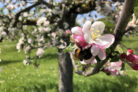
- The exact dates the blossoms open
- When you spot the first tiny fruit forming
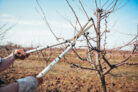
- How the tree reacts after a pruning session
- When you actually did the pruning
- Harvest dates
- How big the harvest was (bushels, buckets, or just a few snacks!)
- Your honest opinion on how the fruit tasted
- Photos! (A picture is worth a thousand words)
- Weather notes (Was it a scorching summer? Did a late frost hit the blossoms?)
Extra Details to Track
- Variety and rootstock info
- Budding, flowering, and fruiting stages
- Pruning notes
- Any spraying or treatments you applied
- Signs of disease or pests
- Overall growth and height
- Any companion plants you put underneath
- Fertilizing schedule: Note when and what you used to see which nutrients your tree loves most.
Why Documentation Matters
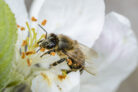
Since apple trees usually need cross-pollination to produce fruit, you’ll likely need a second tree nearby. Bees and other pollinators do the heavy lifting for pollination, but they need the right partner tree. By keeping a journal and knowing exactly when your tree blooms, you’ll be able to pick the perfect “pollination partner” variety to ensure a massive harvest every year.