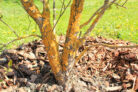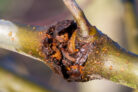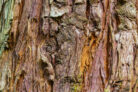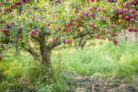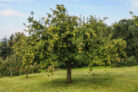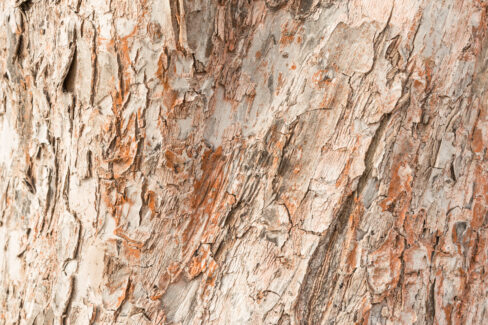
Think of a tree’s bark as its natural suit of armor. When that armor gets damaged, the tree loses its best defense against pests and diseases like fungi, because moisture and nasty organisms can hitch a ride straight into the trunk. If you’ve noticed a reddish tint on your apple tree lately, don’t panic! It can happen for a few different reasons, and it’s not always a cause for alarm.
Green Algae on Apple Tree Trunks
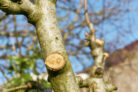
If your apple tree’s bark looks like it’s turning a rusty red, you might actually be looking at green algae. Some types of algae settle on the bark and release a pigment that gives the trunk a distinct reddish-brown hue. One specific type, known as *Trentepohlia umbrina*, has been popping up more frequently on trees across the country. While it often starts on apple trees, you might also spot it on lindens, oaks, or birches. The good news? These algae live strictly on the surface. They don’t actually harm the tree, so there’s no need to worry about scrubbing them off.
Taking Care of Your Apple Tree’s Bark
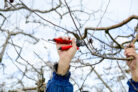
Winter is usually the time we head out for some seasonal pruning, but it’s also the perfect time to give the bark a little TLC. While those red algae are harmless, things like lichens, heavy moss, and fungi can cause issues over the long haul. To keep your tree healthy, it’s a good idea to clear these off every now and then.
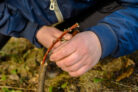
A wire brush works wonders for stubborn lichens, while a bark scraper is your best friend for removing thick moss and loose, dead bark. Just a quick tip: make sure to collect and dispose of whatever you scrape off so you aren’t leaving potential spores or pests sitting at the base of the tree. You don’t need to do this every winter—a good cleaning every two or three years is plenty to keep your tree happy and healthy!