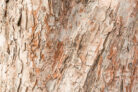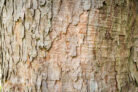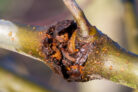
Think of a tree’s bark like its skin—it’s the first line of defense against nasty diseases and hungry pests. When a tree is stressed or neglected, that protective layer weakens, making it way easier for fungi and bugs to move in and wreak havoc. If you notice your tree is starting to lose its bark, it’s usually a red flag that something is up. Here are a few common culprits to look out for.
Diplodia: Black Bark Canker
This is a fungal disease that has been popping up a lot more frequently over the last couple of years. The symptoms are pretty distinct: you’ll see black patches forming on the bark of your apple trees, which eventually leads to dieback. Experts think this disease is linked to climate change, specifically triggered by the extreme drought stress trees face during hot, dry summers.
What to do if you spot it
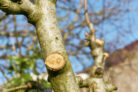
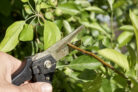
If your apple tree is showing clear signs of canker, you need to act fast. Prune away the affected branches and dispose of them properly (don’t compost them!). It’s a good idea to treat the cuts with a wound sealer. However, if the black canker has already spread across the entire trunk and the tree looks like it’s on its last legs, your best bet might be to remove the tree entirely to save the rest of your garden.
Frost Cracks and Sunscald
It’s not just the summer heat you have to worry about; those first bright rays of sun in late winter can also damage the bark. Rapid temperature swings—like a freezing night followed by a sunny morning—cause the wood to expand and contract, leading to vertical cracks in the trunk. This is why whitewashing (painting the trunk with a lime wash) is such a great pro tip; it reflects the sun and prevents those nasty frost injuries. You’ll know you have a problem if you see long splits in the bark or “burned” looking patches on younger shoots.
Bark Maintenance 101
When you’re out in the orchard, don’t forget to give the bark a little TLC. Here’s a simple routine to keep your trees healthy:
- Tackle bark maintenance in the winter. You don’t need to do this every year, but it helps!
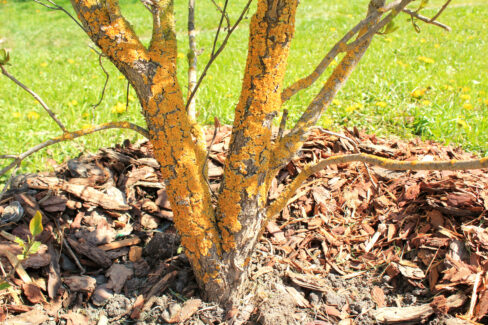
- Clean off lichens, moss, and fungi. While they might look rustic, they can trap moisture and pathogens against the bark.
- Use a wire brush to gently scrub away stubborn lichens.
- A tree scraper works wonders for removing thick moss and loose, dead bark.
- Make sure to collect and dispose of all the debris you scrape off. You don’t want any lingering spores or pests hanging around the base of the tree.
- A good deep-cleaning every two to three years is usually plenty to keep your tree’s “skin” in tip-top shape.