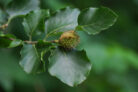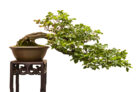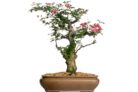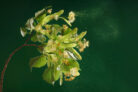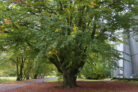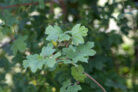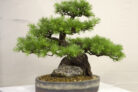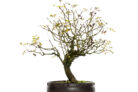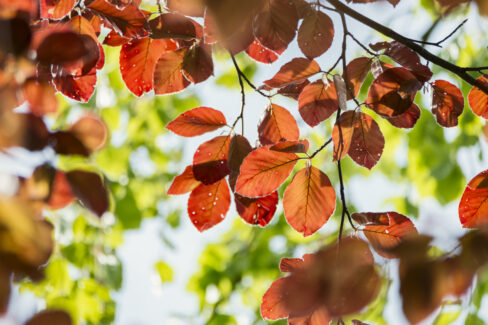
With its stunning reddish-brown foliage, the Copper Beech (also known as the Purple Beech) is a real head-turner in any garden. But did you know this tree also makes a fantastic bonsai? Copper Beeches handle pruning like a champ, meaning you can shape them into just about any style you can imagine. Stick around for my top tips on keeping yours happy and healthy.
How to Grow a Copper Beech Bonsai
The sky’s the limit when it comes to styling a Purple Beech. Whether you’re dreaming of a miniature forest or a multi-trunk masterpiece, this tree is up for the challenge.
When you’re ready for planting, pick a pot that’s large enough and has excellent drainage. If there’s one thing a Copper Beech hates, it’s “wet feet” (standing water). I recommend adding a drainage layer at the bottom and using a high-quality bonsai mix made of humus and lava rock.
Even as a bonsai, the Copper Beech is hardy enough to stay outside in the winter. Just make sure to give the pot a little extra protection from the freezing ground during those coldest months.
Shaping Your Perfect Bonsai
To keep your Purple Beech thriving, you’ll want to repot it every two years. Early spring is the best time for this. While you’re at it, give the root ball a light trim to keep it manageable.
Before the new growth starts in the spring, it’s time for pruning. A good rule of thumb is to leave about half an inch of branch above each bud. You’ll notice a second flush of growth in June—go ahead and remove those new shoots entirely to maintain the tree’s shape.
Pampering Your Bonsai
Here’s a quick checklist for daily care:
- Water regularly so the soil doesn’t bone dry, but be careful not to overdo it. You want moist, not soggy.
- Don’t forget the nutrients! Start fertilizing as soon as the first buds appear. You can use a slow-release fertilizer or go with a liquid feed once a week.
- Give it some sun. If you keep your tree in a spot that’s too shady, it’ll grow oversized leaves that look a bit awkward on a tiny tree. A sunny spot will keep those leaves small and vibrant.
Wiring: A Gentle Touch is Key
If you want to guide your bonsai into a specific shape, you can use wire on the younger shoots. However, you’ve got to be careful—the bark on these trees is pretty sensitive.
Here’s how to do it right:
- Wrap the branches in raffia before applying the wire to protect the bark.
- Older branches might need a bit more pressure to bend, but keep a close eye on them so the wire doesn’t “bite” into the wood as the tree grows.
- If a branch is already quite thick, it’s better to skip the wire. Forcing it can cause injuries that lead to plant diseases. Better safe than sorry!