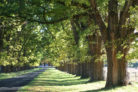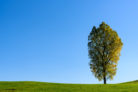
The Wych Elm (also known as the Scotch Elm) is one of only three elm species native to Europe. Around the garden, you might also hear it called the “White Elm.” If you’re looking to get to know this majestic tree a little better, I’ve put together a quick cheat sheet with everything you need to know.
The Wych Elm: A European Classic
Out of more than 30 elm species found worldwide, only three call Europe home. The Wych Elm is a key member of that trio, alongside:
- The Field Elm
- And the European White Elm (Flatterulme).
Wych Elm Quick Facts
While all elms might look similar at first glance, the Wych Elm has some unique traits that set it apart. Here are the highlights:
- Scientifically known as *Ulmus glabra*, it’s a member of the Ulmaceae family and a classic deciduous hardwood.
- Like many of its cousins, a healthy Wych Elm can live to be about 400 years old, reaching impressive heights of 100 to 130 feet.
- Unfortunately, like all elms, it is highly susceptible to Dutch Elm Disease, which is something every gardener and arborist should keep an eye on.
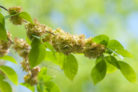
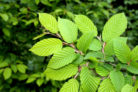
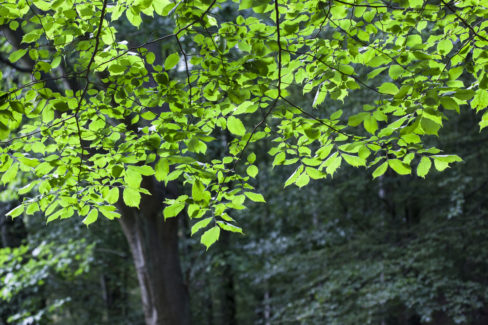
- The leaves are distinctively asymmetrical and slightly egg-shaped with “toothed” (serrated) edges.
- They usually grow between 3 to 8 inches long and about 2 to 3.5 inches wide.
- You’ll notice the top of the leaf is a deep, dark green, while the underside is a lighter shade and covered in tiny, soft white hairs.
- Being deciduous, it puts on a show before dropping all its leaves for the winter.
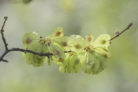
- Between March and April, the tree produces tiny yellow flowers (only about 3 to 6 mm).
- These flowers grow in stalkless clusters called cymes.
- They are hermaphroditic (containing both male and female parts) and are self-pollinating.
- Patience is key with this tree! It doesn’t reach “maturity” until it’s 30 to 40 years old—that’s when it starts producing flowers and seeds.
- Interestingly, the Wych Elm typically only blooms every two years.
- Once pollinated, those flowers turn into small nutlets (samaras).
- These are about half an inch to an inch wide and feature little “wings” to help them travel.
- They ripen between May and June and rely on the wind to find a new home. Just a heads-up: the seeds lose their ability to sprout very quickly, so they need to find soil fast!
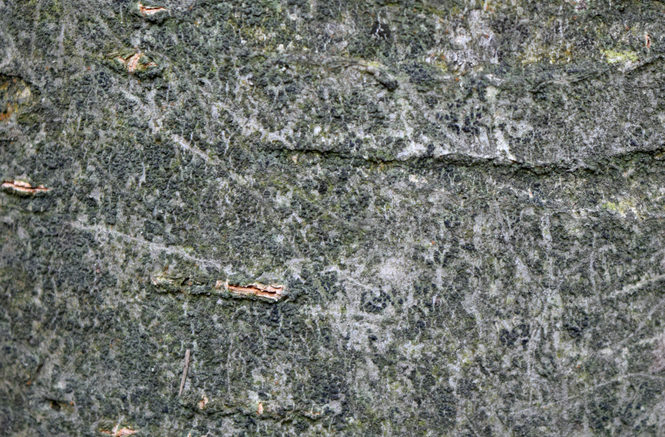
- The bark is a nice grayish-brown.
- When the tree is young, the bark is smooth, but as it ages, it develops deep, character-filled cracks and fissures.
- If you were to look at the wood, you’d see a yellowish-white sapwood with a beautiful reddish-brown heartwood.