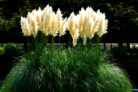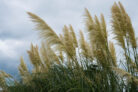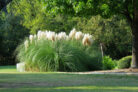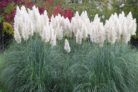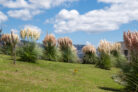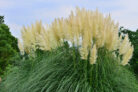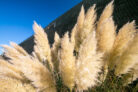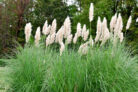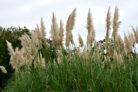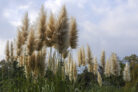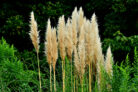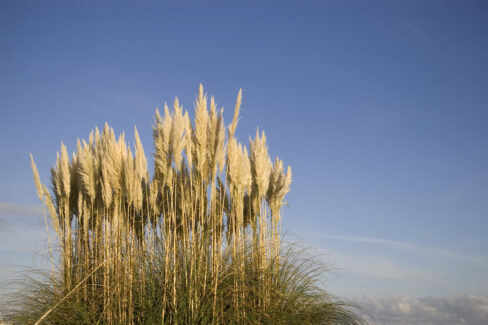
As the name suggests, pampas grass originally hails from South America. Here in the States, you’ll often see it used as a fast-growing privacy hedge in the backyard. However, more and more gardeners are starting to grow pampas grass in containers. It’s a great look, but keep in mind that potted pampas grass needs a bit more TLC than the stuff planted in the ground.
Choosing the Right Pot
Whether you’re looking to spruce up your patio or your balcony, picking the right container is the first step to success. Here is what you should look for:
- A capacity of at least 10 gallons (40 liters)
- Drainage holes at the bottom
- A saucer to catch excess water
Since large decorative planters can get pretty pricey, here’s a pro tip: grab a heavy-duty utility bucket or a mixing tub from your local hardware store. Just grab a drill, pop a few holes in the bottom, and you’ve got a perfect, budget-friendly home for your grass.
Watering Habits
As you can probably tell from the drainage requirements, pampas grass is a bit picky about its water—especially when it’s in a pot. While pampas grass planted in the garden only needs a drink when the top layer of soil feels dry, potted versions need much more consistent watering. The trick is to water frequently but lightly. Pampas grass doesn’t like to “chug” a ton of water at once, and it absolutely hates “wet feet” (standing water), which can lead to root rot. That’s why those drainage holes are non-negotiable!
Finding the Perfect Spot
To keep your pampas grass happy and thriving, you need to find the right location. These plants are sun-worshippers, so place your pot somewhere it can soak up as much daily sunlight and warmth as possible. Because it’s such a fast grower, it also has a pretty big appetite for nutrients.
Don’t Forget to Feed It
Since potted plants can’t pull nutrients from the surrounding earth, regular fertilizing is key. While compost works great for garden beds, a liquid fertilizer specifically formulated for ornamental grasses is your best bet for containers. During the growing season, aim to fertilize at least every two weeks. Once the blooming period starts to wind down, you can gradually stop fertilizing so the plant can prepare for its winter dormancy.