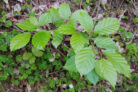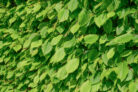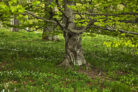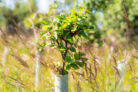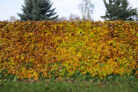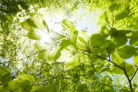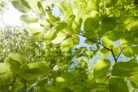
The European Beech (botanical name *Fagus sylvatica*) is a total classic in the world of deciduous trees. Whether you’re looking for a majestic standalone tree or a dense, privacy-providing hedge, this native beauty is a go-to for gardeners everywhere.
The Best Time to Plant Your European Beech
If you’re looking to add a real “statement piece” to your backyard, you can’t go wrong with a European Beech. For the best results, you’ll want to get it in the ground during the fall. Spring planting works too, but fall is usually the sweet spot. Just a heads-up: choose your spot carefully! These trees grow vigorously and don’t take kindly to being moved once they’ve settled in. Make sure to keep them a safe distance from your house—they can get massive, casting a ton of shade and potentially pushing against foundations with their strong root systems.
When you head to the nursery, you’ll usually see three options: seedlings, “heisters” (young trees with side branches but no defined crown yet), and feathered whips or established bushes. Seedlings and heisters are often sold bareroot, meaning they don’t come in a pot of soil. You’ve got to get these in the ground ASAP because those roots dry out fast! Seedlings are the budget-friendly choice but are a bit thin. Heisters have been transplanted a few times and are bushier, though they’ll cost you a little more. The most expensive option is an established container-grown or balled-and-burlapped tree that’s already several years old.
Ready to get your hands dirty? Here is the step-by-step for planting your beech:
- Pick a frost-free day in October or November (or March/April if you prefer spring).
- Ideally, plant after a rainy day so the soil is nice and moist.
- If you have bareroot plants, soak the roots in water for a few hours before planting.
- For container plants, gently slide them out of their pots.
- Trim away any dead or snapped roots.
- Give roots thicker than 1 cm (about half an inch) a very light trim.
- Dig a hole at least twice as wide as the root ball.
- Mix your excavated soil with some compost and horn shavings (or a slow-release organic fertilizer).
- Drive a sturdy support stake into the hole before the tree goes in.
- Center the tree in the hole.
- Fill it back up with soil and “mud it in” with plenty of water to settle the dirt.
- Press the soil down firmly with your foot.
- Secure the trunk to the stake using soft garden twine or raffia.
- Keep it well-watered daily for the first few weeks, but make sure the water can drain so the roots don’t rot.
Ongoing Care
The best part? Once a European Beech is established, it’s pretty low-maintenance. Those deep roots are great at finding nutrients on their own. You can give young trees a little boost with some long-term fertilizer in the spring, and definitely give them a drink during those extra-dry summer stretches. Other than that, just sit back and watch it grow!