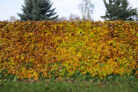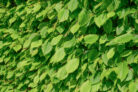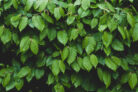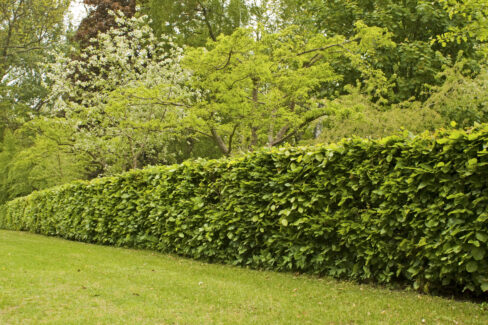
A lush, perfectly manicured beech hedge is a total showstopper—the kind of garden feature that’ll have all your neighbors asking for your secrets. But let’s be real: not every yard is a perfect fit for one. Beeches need a bit of elbow room and can be a little picky about their environment. If you’re dreaming of that classic look, here are my top tips for successfully planting a beech hedge in your own backyard.
Choosing the Right Variety
Before you grab your shovel, you need to pick the right plant for your specific spot. In the gardening world, there are two main contenders that people absolutely love:
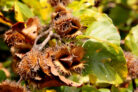
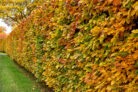
- European Beech (Fagus sylvatica): These are stunning trees that thrive in moist, nutrient-rich soil with plenty of sunshine. They have shallow, spreading roots, so give them space! One big plus? Some varieties keep their dried leaves throughout the ##winter, giving you a great year-round privacy screen.
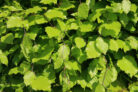
- Hornbeam (Carpinus betulus): If you’re looking for something low-maintenance and budget-friendly, the Hornbeam is your best friend. They aren’t picky about soil (even sandy spots are fine) and can handle shade. Unlike the European Beech, they have deep taproots, making them safer to plant near walkways or utility lines. Just keep in mind they drop all their leaves in the fall.
Give Your Hedge Some Breathing Room
When you’re sketching out your garden plans, keep these factors in mind:
- Total length
- Desired width
- Final height
- The “path” of the hedge
- Distance from the property line
That last one is huge! Most towns have specific rules about how far a hedge needs to be from your neighbor’s yard, especially if you’re letting it grow tall. Trust me, you want to check this *before* you plant. While you can transplant young beeches, once they’ve been in the ground for a few years, your only option is to dig them up entirely—roots and all.
How to Plant Your Beech Hedge
Ready to get your hands dirty? Don’t wing it—follow these steps for a hedge that actually thrives:
- Mark your line: Use a string line to make sure your hedge grows in a perfectly straight row.
- Dig deep: You’ll want a trench that is at least 20 inches (50 cm) deep.
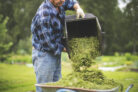
- Prep the soil: Mix your soil with some well-aged compost. This ensures your new plants have all the nutrients they need to hit the ground running.
- Spacing is key: Space your saplings about 20 inches (50 cm) apart in the trench.
Keeping It Healthy
To keep your hedge looking thick and vibrant, you’ll want to prune it twice a year. Regular trimming encourages the branches to fill out, prevents “bald spots,” and keeps the whole thing looking lush and healthy.