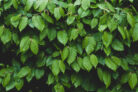
Many garden enthusiasts love the idea of growing their own hedge from scratch. Sure, it takes a little patience, but there’s something incredibly rewarding about watching your own plants grow! However, when it comes to beech hedges, propagation can be a bit of a challenge. If you’re up for the task, here are my best tips for successfully multiplying your beech plants.
Growing Beech Hedges from Seed
If you want to start your hedge from seeds, here’s the game plan:
- Collect the beechnuts.
- Stratify the seeds (give them a “winter” wake-up call).
- Sow the seeds in a seed-starting mix or directly outdoors.
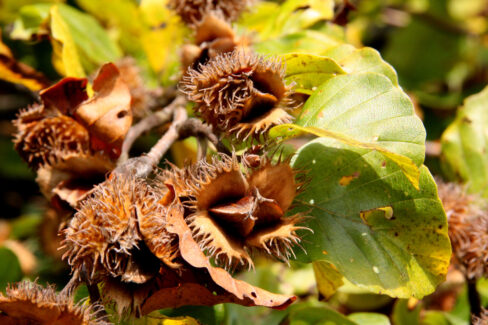
Beech trees produce their seeds inside beechnuts. However, if you already have a beech hedge in your yard, you might find it hard to harvest viable seeds. Because we usually prune our hedges every year, most of the flowers get trimmed off before they can develop into nuts. Your best bet is to find a wild, free-growing beech tree to collect your seeds from.
Before planting, these seeds need a cold period to break their natural dormancy—a process called stratification. Just pop the seeds into an opaque bag and keep them in your refrigerator for a few weeks.
Alternatively, you can sow the seeds directly in the ground outside and let nature do the work. Just a heads-up: hungry backyard critters love these tasty nuts, so there’s a good chance they might get snatched up before they can sprout!
Propagating Beech via Cuttings
To grow a beech hedge from cuttings, wait until spring and cut off woody shoots about 6 inches long. Stick these into a high-quality seed-starting soil.
I’ll be honest with you: beech cuttings have a pretty low success rate, and many won’t take root. To increase your chances, plant as many cuttings as possible. It also usually takes about two years for them to develop a strong enough root system to be transplanted as a permanent hedge.
The Layering Method
Another trick is “layering.” Take a low-hanging branch, make a small nick in the bark, bend it down to the ground, and pin it in place. Cover that section with garden soil and keep it moist. By next year, check to see if new roots have formed at the site.
Digging Up Volunteers
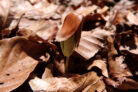
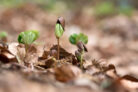
The easiest way to get new beech trees is to look for “volunteers”—tiny saplings that have sprouted on their own. In the spring or just before winter sets in, carefully dig these up and move them to your desired spot.
Beech Trees are Budget-Friendly
If all of this sounds like a bit too much work or you’re in a hurry to get that privacy screen growing, don’t worry! Beech saplings are actually very affordable. Buying them from a nursery is a quick and easy way to get a head start on a beautiful, healthy hedge.