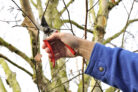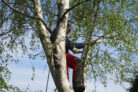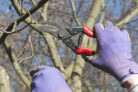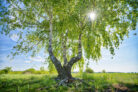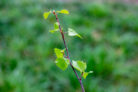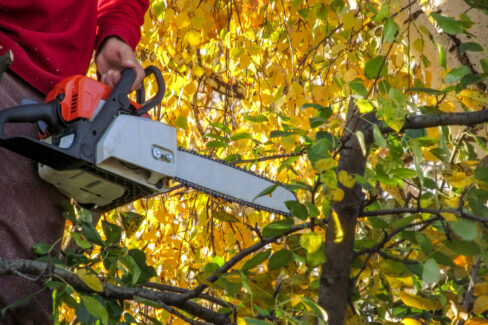
In the wild, birch trees don’t really need a haircut. They’re experts at finding their own path toward the sun, creating that iconic, airy canopy we all love. But back home in the garden? Things can get a little crowded. People often underestimate just how fast these beauties grow, and before you know it, those branches are reaching where they shouldn’t. When that happens, it’s time to grab the shears—but timing is everything. If you’re going to prune a birch, wait until fall!
The Big Birch Challenge: The “Bleeding” Tree
If you’ve ever cut a branch and noticed the birch starts dripping, you’ve seen what gardeners call “bleeding.” Because pruning involves making open cuts, some moisture is expected, but birches are notorious for leaking sap—sometimes for weeks on end. While the experts are still debating whether this massive loss of sap actually harms the tree’s health, it’s definitely better to play it safe and avoid heavy bleeding whenever possible. You don’t have to skip pruning altogether; you just have to time it right. The key is catching the tree when its sap flow is at its lowest point in the yearly cycle.
Pruning Your Birch in the Fall
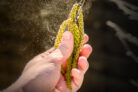
By the time autumn rolls around, the birch has finished its heavy lifting for the year. Its winged seeds are off catching the breeze, and the leaves are starting to carpet the lawn. As the tree heads into its dormant phase, the internal sap pressure drops because it simply doesn’t need as much water or nutrients. This is your green light to head to the garden shed and thin out that canopy. Just keep these golden rules in mind:
- Only prune on frost-free days.
- Less is more—only cut what is absolutely necessary.
- It’s better to remove an entire branch than to “top” or shorten many branches across a large area.
The tree might still drip a little in the fall, but it’s nothing compared to the “fire hose” effect you’d get in the spring when the sap is pumping at full power.
Pro Tip:
If you absolutely have to prune a birch during the “off-season,” you might want to call in a professional arborist. They have the techniques to keep the bleeding to a minimum and ensure the tree stays healthy.
Caring for Potted Birches
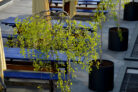
If you’re growing a birch in a container, fall is still the best time for a trim. However, because birches have such a fast growth rate and your balcony ceiling isn’t getting any higher, you might find yourself needing a light summer trim to keep the birch small. A great trick to limit the pruning work is to keep the pot size in check. The smaller the root ball, the more compact the canopy will stay!