You can usually find young birch trees at your local nursery, or if you’re lucky, you might spot a few “volunteers” popping up near a mature birch in the spring. Those are two easy ways to get your hands on one. But if you’re up for a little DIY project and don’t mind a bit of a wait, you can actually grow your own birch tree for free using seeds or cuttings.
Which propagation method should you choose?
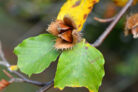
In the wild, birches are pros at spreading themselves via seeds. Because they’re so good at it, starting them from seed at home is a pretty reliable way to get a bunch of healthy little trees. Just gather some ripe catkins (the fruit) in the fall and keep them in a cool, dark, and dry spot until you’re ready to plant in the spring.
You can also grow a new birch from a branch cutting. While this method is a bit more finicky—the conditions have to be just right for it to take root—the big payoff is that the new tree will be a genetic twin of the parent plant.
Quick Note:
Heads up that some fancy varieties, like Weeping Birches or Himalayan Birches, aren’t usually grown from seeds or cuttings. These are typically created through grafting, usually onto a hardy Silver Birch base.
Spring Seed Sowing
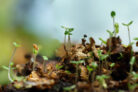
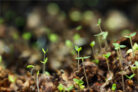
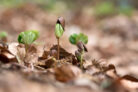
Just like the rest of the garden, birch seeds love to wake up in the spring. Aim to start your seeds between late March and mid-April.
- Start with a layer of gravel at the bottom of your pot to make sure the seedlings don’t get “wet feet” from standing water.
- Fill the pot with soil, leaving about 4 inches of space at the top. You don’t even need special seed-starting mix; birches aren’t picky and will sprout just fine in regular potting soil.
- Give the soil a good misting to get it damp.
- Crumble those dry catkins over the surface, spreading them out evenly.
- Cover the seeds with about an inch (2 cm) of soil.
- Place the pot in a bright spot, but out of direct, scorching sunlight.
- Keep the soil consistently moist.
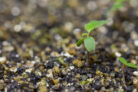
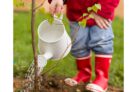
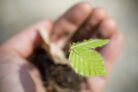
Once your seedlings hit about 8 inches (20 cm) tall, they’re ready to be planted in the garden or moved into a larger container.
Pro Tip:
If you’re keeping a birch on your balcony, don’t give it a massive pot right away. A huge pot encourages the canopy to grow just as fast, and you’ll end up having to prune constantly to keep it small. Birches are known to “bleed” or drip sap heavily from pruning cuts, so it’s better to control growth through pot size rather than the shears.
Cutting and Rooting a Branch
If you want to try the cutting method, summer is your best window for success. Here’s the game plan:
- Cut a strong tip cutting about 8 inches (20 cm) long.
- Look for a piece that is green with several buds at the top but starting to turn woody at the base.
- Strip off all the bottom leaves, and trim back any large leaves on the top half.
- Gently push the cutting upright into a pot of soil.
- Place it in partial shade and keep that soil nice and moist.