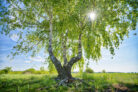
For a birch tree, producing seeds isn’t just a hobby—it’s a survival strategy. And let me tell you, these trees put in the work! They equip their seeds with tiny little wings and hitch them to the wind so they can go out and conquer new territory. Let’s take a closer look at how this process works.
Every Birch Produces Seeds (Once They’re Old Enough)
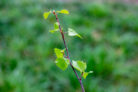
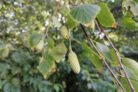
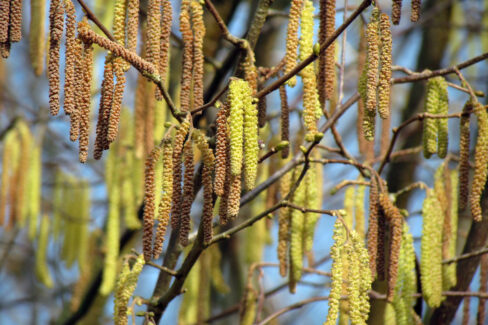
Once a birch tree hits its fifth birthday, it’s officially ready for its first blooming season. Before that, don’t expect to see any flowers or fruit; the young tree is way too busy focusing on its roots and upward growth. But after that five-year mark, every birch becomes a seed producer. These trees are “monoecious,” which is just a fancy way of saying a single tree grows both male and female flowers. The wind handles the pollination duties like a pro. By fall, the tiny (about 1/8 inch) winged nutlets are ripe and ready to take flight. Inside are seeds with a surprisingly high germination rate.
Quick Heads-up:
That yellow birch pollen is a major allergen. For folks who are sensitive, it can trigger long-lasting, flu-like symptoms. Keep the tissues handy!
Self-Seeding in the Wild
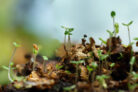
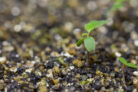
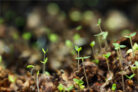
In nature, self-seeding is the primary way a single birch can eventually turn into an entire forest. (Though if you’re growing one at home, you can also start them from cuttings). Birch fruits are so light and aerodynamic that the wind can carry them incredibly far. If they land on a patch of bare earth, there’s usually nothing stopping them from sprouting. Birches aren’t picky about soil quality at all! The main thing they need for healthy growth is plenty of sunshine. Once they hit the ground, they usually germinate in less than two weeks.
Pro-Tip:
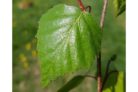
Birch trees are packed with health benefits for us humans, but the seeds aren’t the part you want. Instead, harvest the small buds or young leaves in the spring. They’re great in smoothies or brewed into a fresh tea.
Sowing Seeds at Home
If you want to grow your own birch trees from seed, patience is key—wait until spring. The sweet spot for sowing is between late March and mid-April. Until then, keep your collected dry fruits in a cool, dry, and dark place. When you’re ready to plant, here’s the game plan:
- Fill a pot with soil (standard potting soil works fine; no need for special seed-starting mix).
- Optional: Add a layer of gravel at the bottom to prevent soggy roots.
- Moisten the soil.
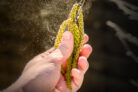
- Crumble the fruits over the soil with your fingers to release the seeds.
- Cover the seeds with about 3/4 inch (2 cm) of soil.
- Place the pot in a bright spot, but keep it out of harsh, direct sunlight.
- Keep the soil consistently moist but not soaked.
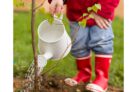
Once your seedlings reach about 8 inches (20 cm) tall, you can plant them in their permanent home in the garden or keep growing them as container plants.