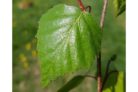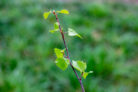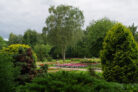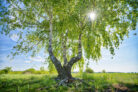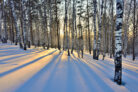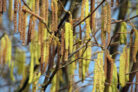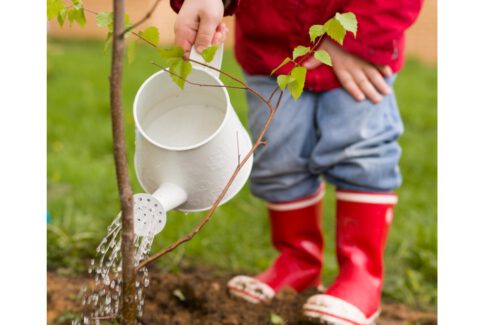
Whether it’s showing off fresh green leaves in the spring or standing tall under a blanket of snow in the winter, the white-barked birch is a stunning addition to any landscape year-round. Honestly, I think every gardener should have one—as long as you can give it two things: plenty of sunshine and enough room for both the roots and the canopy to spread out. Here’s how to get yours in the ground.
The Best Way to Get Your Hands on a Birch
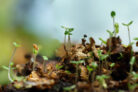
If you want a head start, you can head to your local nursery and buy a young tree. It’ll cost you a bit, but you get a healthy, established plant. If you’re feeling patient (and frugal!), you can start a birch from seeds or cuttings for zero dollars. Pro tip: Keep an eye out under large birch trees; you can often find a wild sapling just waiting to be dug up and moved to a better home.
When to Plant
Let’s keep it simple: Fall is the absolute best time of year to plant a birch. However, if you’re transplanting small wild saplings, spring is usually better while they’re still tiny and easy to handle. If you bought a container-grown tree from a garden center, the tag probably says you can plant it anytime the ground isn’t frozen. While that’s technically true, it’s not ideal. Stick to fall if you can; it gives the tree time to focus all its energy on growing strong roots before the summer heat hits.
Location and Soil
Don’t underestimate the importance of picking the right spot. Sure, birches are tough and can survive in less-than-perfect conditions, but they won’t look their best.
- Find a spot with full sun.
- Make sure there’s plenty of room for this fast-growing tree to expand.
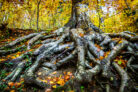
When it comes to soil, birches aren’t picky at all—they’ll grow just about anywhere. But here’s the catch: if your soil is very dry, those roots are going to go searching for moisture. Since birches are shallow-rooted, they might crowd out your other plants or even lift up nearby walkways and walls if they get desperate.
Step-by-Step Planting Guide
- Soak the root ball in a bucket of water until it’s fully saturated. You’ll know it’s ready when air bubbles stop rising to the surface.
- While the tree is soaking, dig a hole about twice as wide as the root ball.
- Toss a layer of gravel or coarse sand into the bottom to ensure good drainage, but make sure the hole is still deep enough to accommodate the roots (aim for about 20 inches deep).
- Loosen up the soil you dug out and mix in some aged compost.
- Remove the tree from its pot and set it in the center of the hole. If it’s a “balled and burlapped” tree, leave the fabric on until it’s in the hole, then untie or cut it open.
- Fill the hole back in with your soil mix and firm it down gently with your foot to remove air pockets.
- Give the tree a deep, thorough watering.
Quick Tip:
If you’re worried about the wind leaning your skinny new tree over, drive a sturdy wooden stake into the ground next to the hole before planting and tie the trunk to it for support.
Planting a Birch in a Pot
Think of a pot as a “mini-garden.” All the same rules for sun and soil apply here, though you obviously won’t get that 20-inch depth. Don’t be tempted to start with a massive pot right away. Birches actually do well when their roots are a bit restricted—it keeps the canopy from getting too wild. This way, you won’t have to spend as much time pruning to keep the tree small later on.