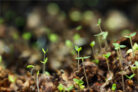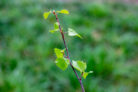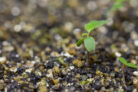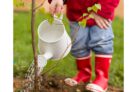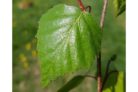
In the wild, birch trees are famous “pioneers”—they’re usually the first to claim an empty patch of land by scattering their seeds to the wind. But if you want to add one of these beauties to your own backyard, you don’t have to wait for nature to take its course. You can take a shortcut by starting with a cutting or a small sapling. Whether you find a baby tree already rooted or take a cutting to start yourself, here’s how to get it done.
Scouting for Saplings in the Wild
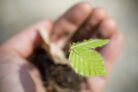
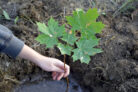
Because birches are so eager to grow and they shoot up fast, you can often find tiny saplings sprouting even in pretty poor soil. The best part about finding one of these “volunteers” is that they already have a root system ready to go. If you spot a healthy sapling in the wild, all you have to do is carefully dig it up and transplant it into your garden.
How to Grow a Birch from Scratch
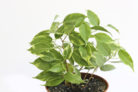
If you can’t find a rooted sapling, don’t worry—you can always grow one from a cutting. Just a heads-up: birch cuttings can be a little picky about their environment. Before you start, make sure you have the perfect spot for them. They need plenty of light, especially that gentle morning and midday sun, but you’ll want to avoid harsh, direct afternoon rays which can scorch them. You’ll also need to stay on top of watering, as the soil needs to stay consistently moist.
Step-by-Step: Growing from Cuttings
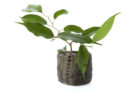
Look for a healthy tip cutting that’s about 8 inches long. It should be lush and green at the top, but slightly woody at the base, with several “eyes” (nodes) along the stem.
- Strip off all the lower leaves.
- If there are large leaves at the top, trim them back with scissors to reduce moisture loss.
- Snip off any flower buds if you see them.
- Fill a small pot with soil and plant the cutting straight up.
- Water it well and place the pot in a spot with partial shade.
- Keep the soil moderately moist—you want it damp, but never soggy or bone-dry.
- Once you see roots poking out of the drainage holes, your little tree is ready to be planted in the garden. Just make sure to give it at least 5 feet of space from other plants.
Pro Tip:
Try to take your cuttings during the peak of the growing season. However, the best planting time for the garden is actually spring. Keep your young tree indoors in a frost-free spot over its first winter to give it the best head start!