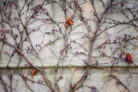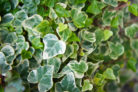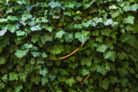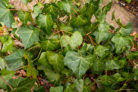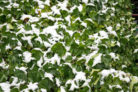
When we see a plant looking crispy and dried out, our first instinct is usually: “It needs water!” It’s a logical guess, but with English ivy, that assumption can often lead you astray. If you just grab the watering can without doing a little detective work first, you might not just fail to fix the problem—you might actually make it worse.
Possible reasons your ivy looks dried out
- Not enough water (the obvious one!)
- Root rot (the sneaky one)
- Dry indoor air
- Pest infestations
- Frost damage
Not enough water
An established ivy plant in your garden has deep roots and is usually pretty good at finding its own groundwater. However, newly planted ivy and potted ivy need regular watering tailored to their needs. Don’t forget the winter, either! On frost-free days, your evergreen ivy still needs a drink if it hasn’t rained or snowed in a while.
Before you pour, do the “thumb test” to see if the soil is actually dry. If it is, give your outdoor plants a deep, thorough soak immediately. For a struggling potted ivy, you might be able to save it by placing the entire pot in a bucket of water until the root ball is completely saturated.
Root rot
Ivy likes moist soil, but it absolutely hates “wet feet” (standing water). If the roots sit in soggy soil for too long, they’ll start to rot. Here’s the kicker: once the roots rot, they can’t take up water anymore, so the plant actually starts to look like it’s dying of thirst!
If you suspect this, pull the ivy out of its pot and check the roots. If most of them are still okay, trim off the mushy, brown parts. Then, repot the plant using fresh soil and a pot with plenty of drainage holes.
Dry air
Low humidity is a major issue for indoor ivy, especially in the winter when the heater is cranking. If your plant is sitting right next to a vent or radiator, it’s going to struggle.
- Move the ivy away from heat sources.
- Use a humidifier or place a tray of water nearby.
- Give your ivy a regular misting with a spray bottle.
Pest infestations
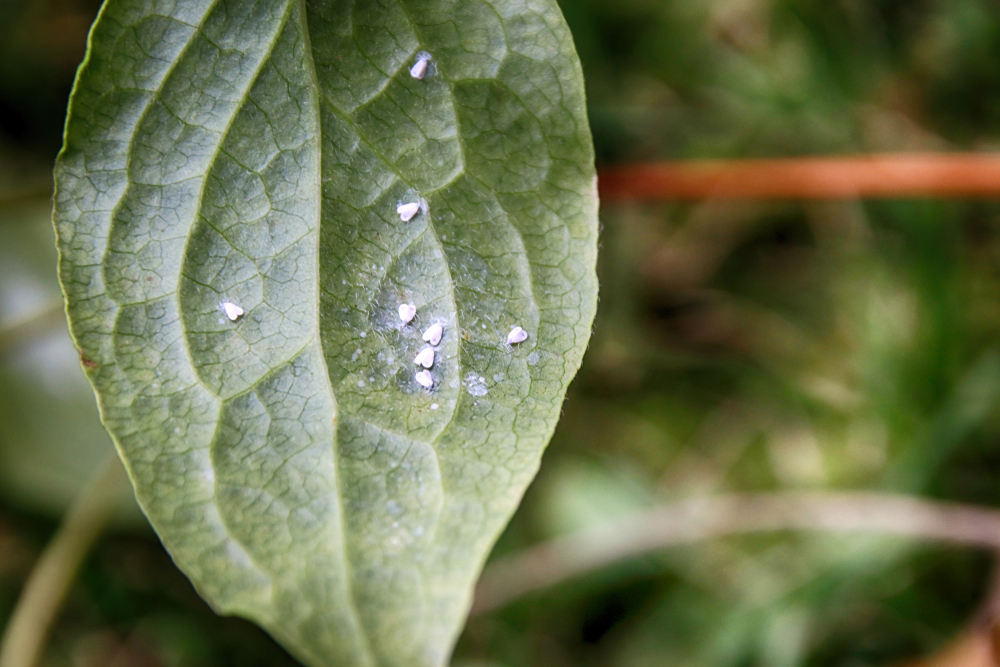
That dry indoor air we just mentioned? It’s an open invitation for pests. Spider mites and aphids are the usual suspects, sucking the life (and sap) right out of the leaves. Outdoors, you might be dealing with the larvae of vine weevils or June bugs. Prune away any heavily infested vines and dispose of them immediately to stop the spread, then treat the rest of the plant accordingly.
Pro Tip:
Yellow or brown leaves and brown spots can also be signs of disease. Check to see if your plant is suffering from a fungal infection, such as anthracnose or ivy leaf spot.
Frost damage
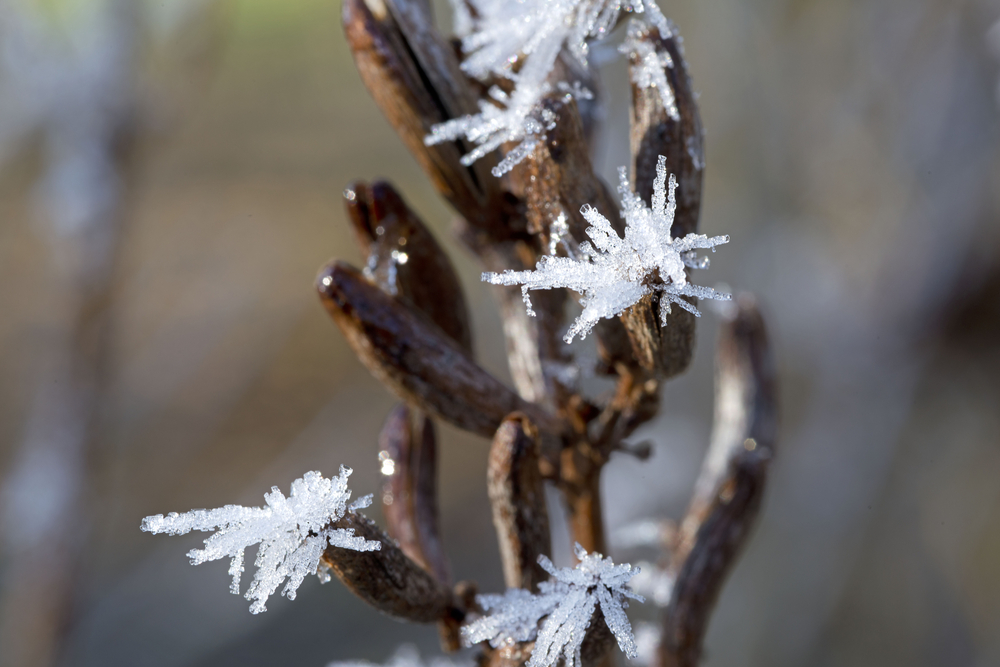
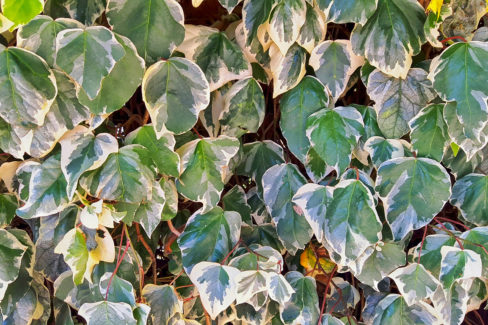
Ivy is generally winter hardy, especially the classic English ivy (Hedera helix). However, even the tough guys can get “freezer burn” during harsh winters, particularly if they are exposed to icy winds on a fence or wall. In the spring, just prune back any frost-damaged stems; the ivy will quickly fill in the gaps with new growth. Keep in mind that variegated (two-toned) varieties are more sensitive to cold and might need a cover or to spend the winter indoors.