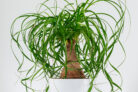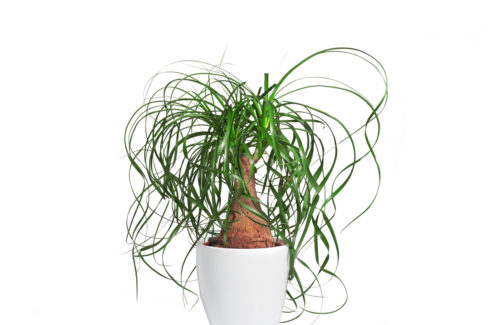
The Ponytail Palm (botanical name *Beaucarnea recurvata*) is famous for being one of the most rugged, low-maintenance plants out there. But even this tough-as-nails member of the asparagus family can run into trouble. If yours is looking a little sad, don’t panic! There are a few common reasons why these plants struggle, and most of them are easy to fix if you know what to look for.
Common Culprits
If your Ponytail Palm is on the decline, it’s usually down to one of these four things:
- Watering mistakes
- The wrong lighting or location
- A pot that’s way too small
- Unwanted pests
Spotting the Warning Signs
Your plant will usually tell you when it’s unhappy. Keep an eye out for these red flags:
- Leaves turning brown.
- New growth at the top slows down or stops.
- The trunk starts feeling soft or squishy.
Here’s a good rule of thumb: If you’re seeing more brown leaves or tips than new green growth at the top, it’s time to investigate.
However, if it’s just a few lower leaves turning yellow or brown while new ones sprout up top, stay calm! That’s actually totally normal. Older Ponytail Palms naturally shed their bottom leaves as they grow.
But you need to act fast if:
- The trunk feels soft.
- Even the brand-new baby leaves are turning brown.
If you see either of those, your plant is in the “danger zone,” and you’ll need to step in immediately to save it.
Watering Woes
When it comes to water, the Ponytail Palm is a bit like a succulent. It handles drought much better than a flood. Overwatering is the #1 killer of these plants because it leads to root rot. Once the roots rot, the plant can’t take in nutrients, and it’s game over.
Location, Location, Location
If your plant isn’t in the right spot, it’ll eventually start to fade. The most common mistakes are:
- Not enough bright sunlight.
- Not enough physical space (if the leaves are constantly rubbing against walls or the floor, they’ll get damaged).
Also, watch out for winter drafts! These plants hate sitting in a cold breeze from a window or door.
Pot Size Matters
It’s not just about what’s happening above the soil—the roots need room to breathe, too. If the pot is too small and the plant becomes root-bound, it won’t be able to absorb the nutrients it needs to stay healthy.
Pest Patrol
Keep an eye out for these uninvited guests:
- Spider mites: Look for tiny white webs.
- Mealybugs: These look like little bits of white cotton tucked into the leaves.
- Thrips: Look for tiny dark specks.
- Scale insects: These leave behind a sticky residue called honeydew.
How to Save Your Ponytail Palm
The good news? These plants are incredibly resilient, so it’s almost always worth trying to save them. You can usually kick pests to the curb with simple home remedies or neem oil. If you’ve overwatered, repot the plant into fresh, dry succulent soil immediately. Often, just moving your leafy friend to a sunnier, draft-free spot is all it takes to bring it back to life!