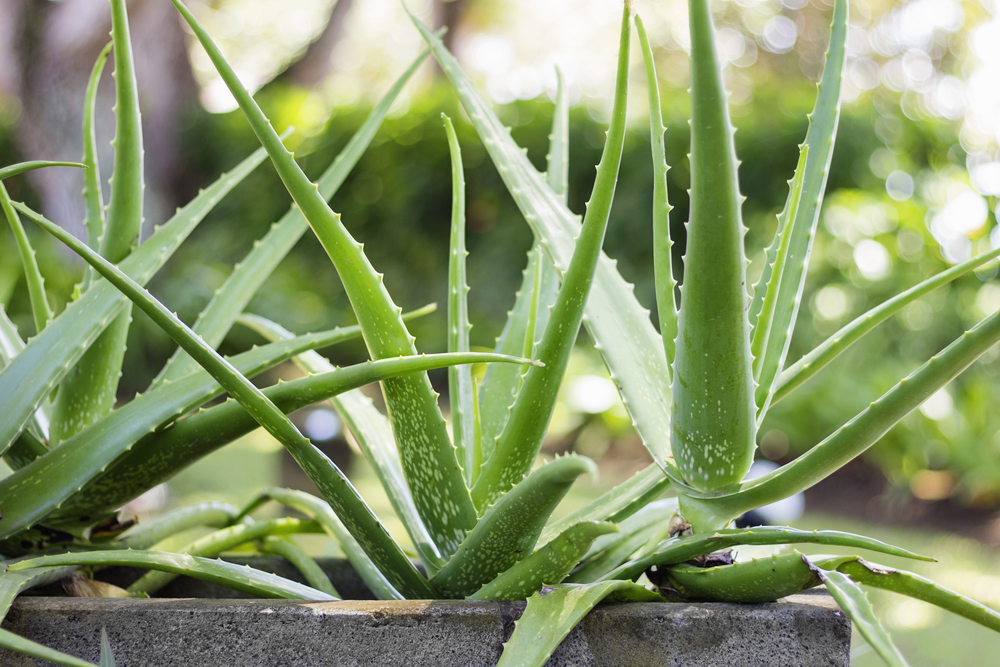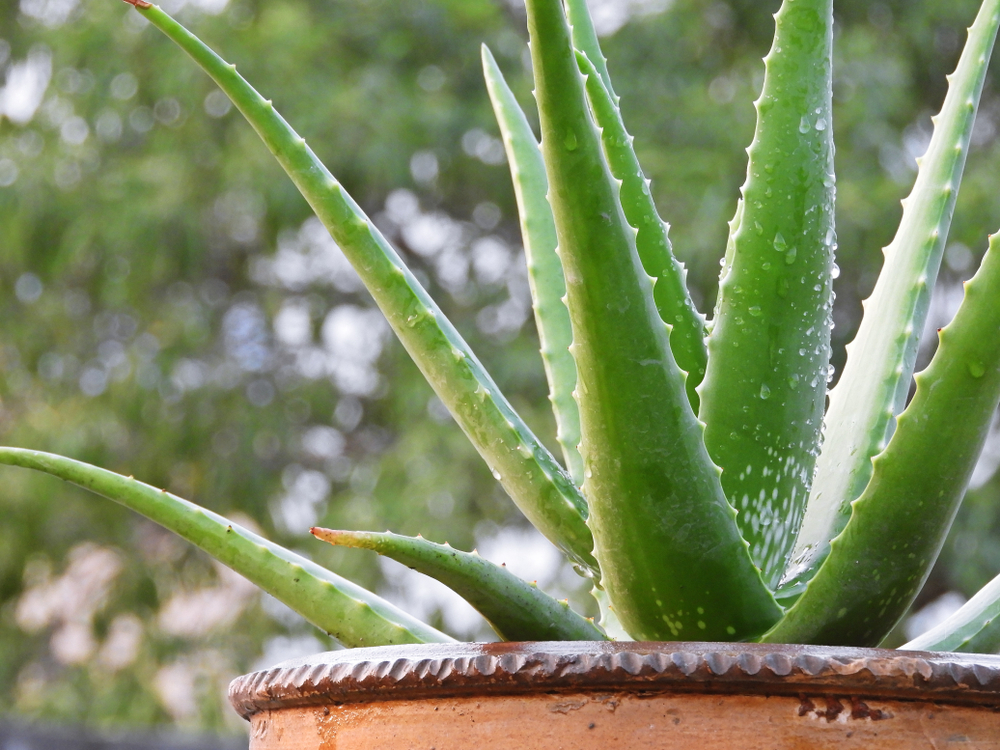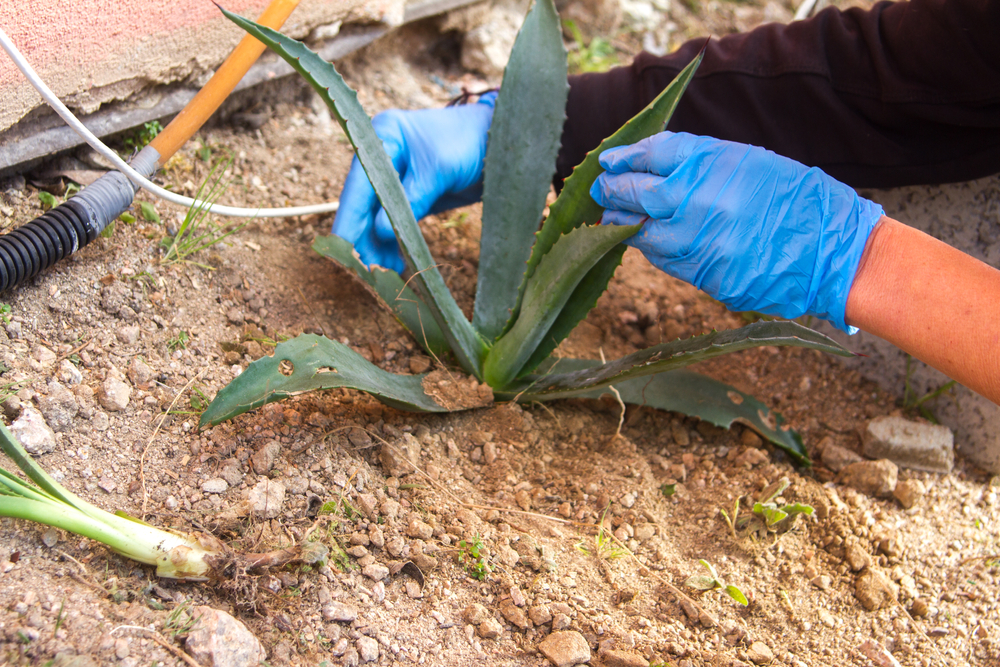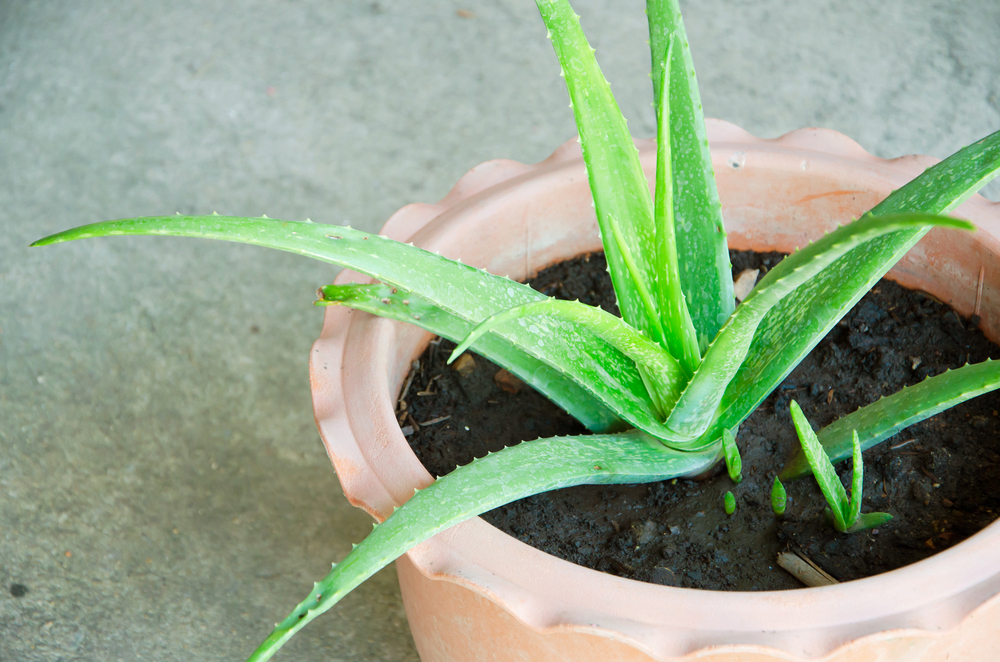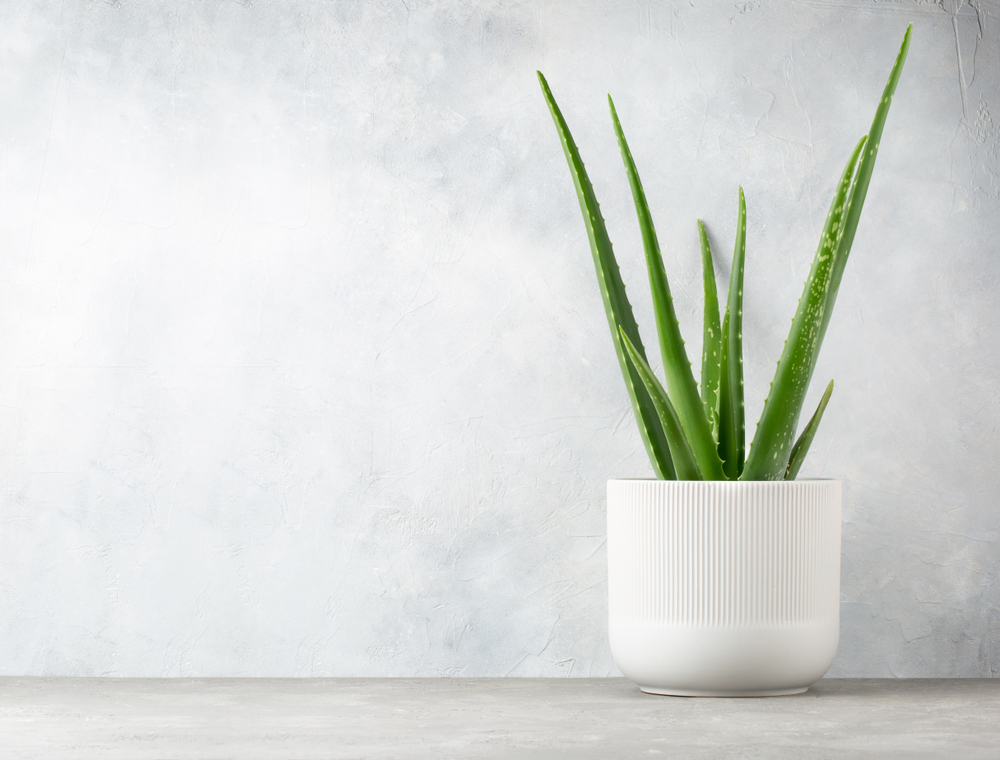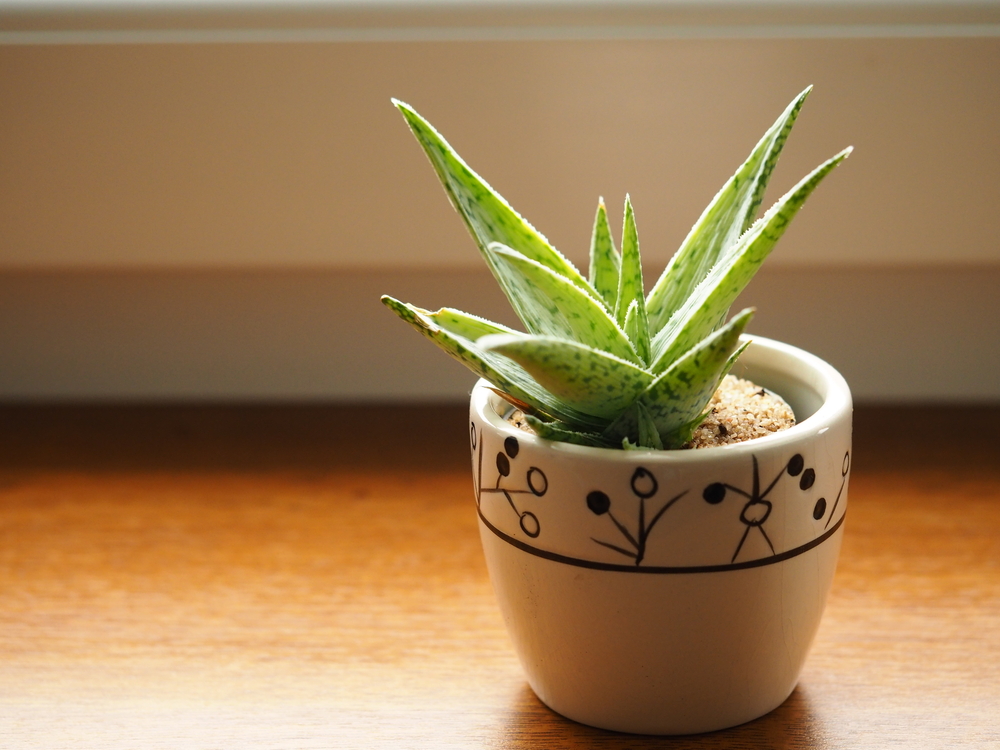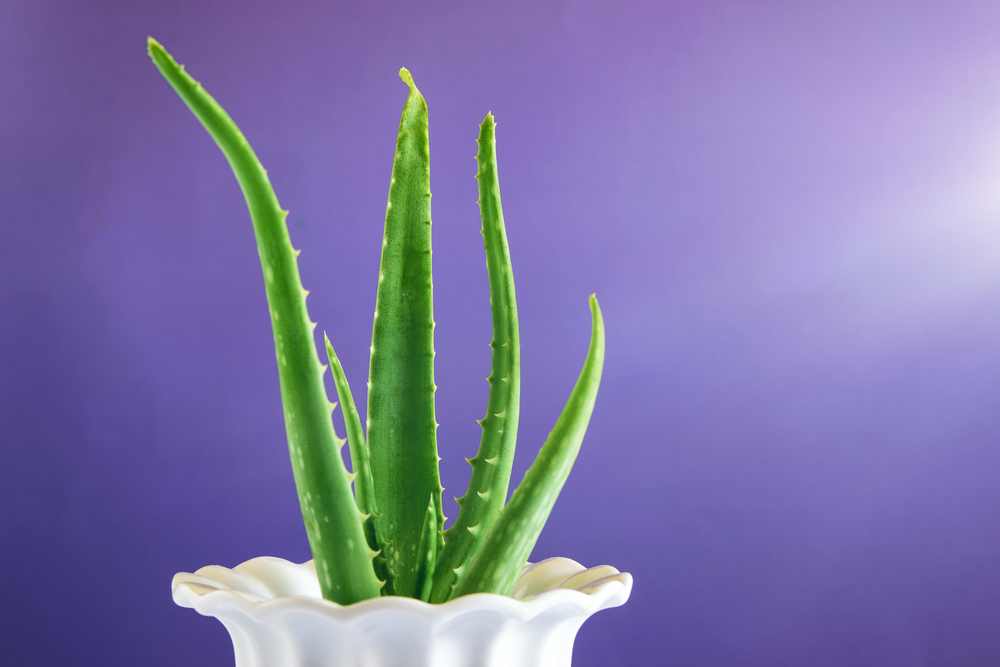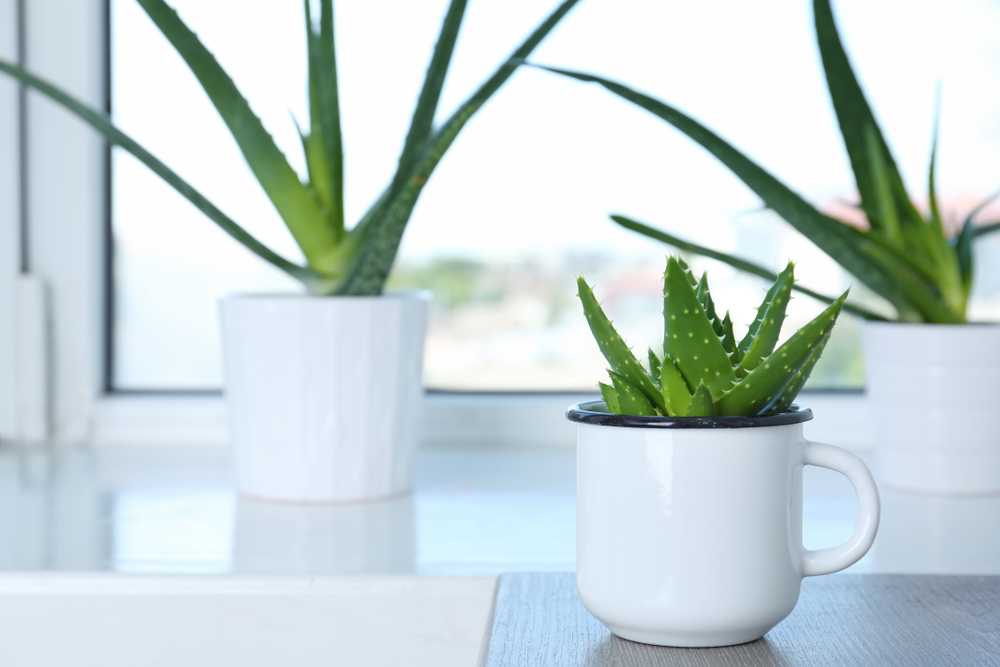
Aloe Vera originally hails from tropical and subtropical regions, so it’s no surprise that this gorgeous succulent thrives in warm, sunny spots. While it’s a super popular houseplant that’s happy indoors year-round, it also loves a little “summer vacation” out on the balcony or patio when the weather warms up.
Aloe Vera Indoors
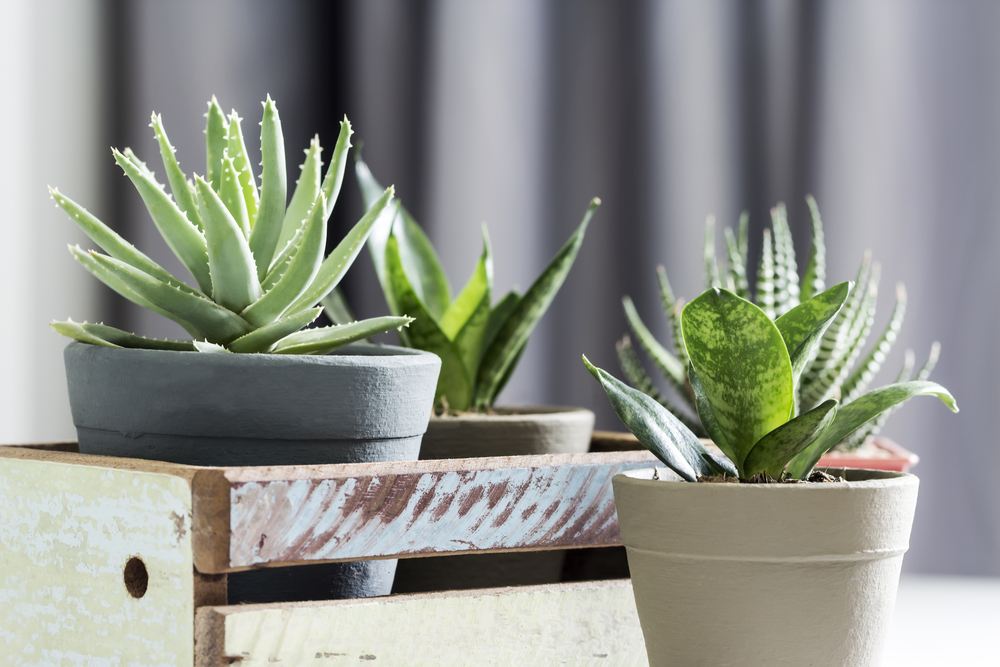
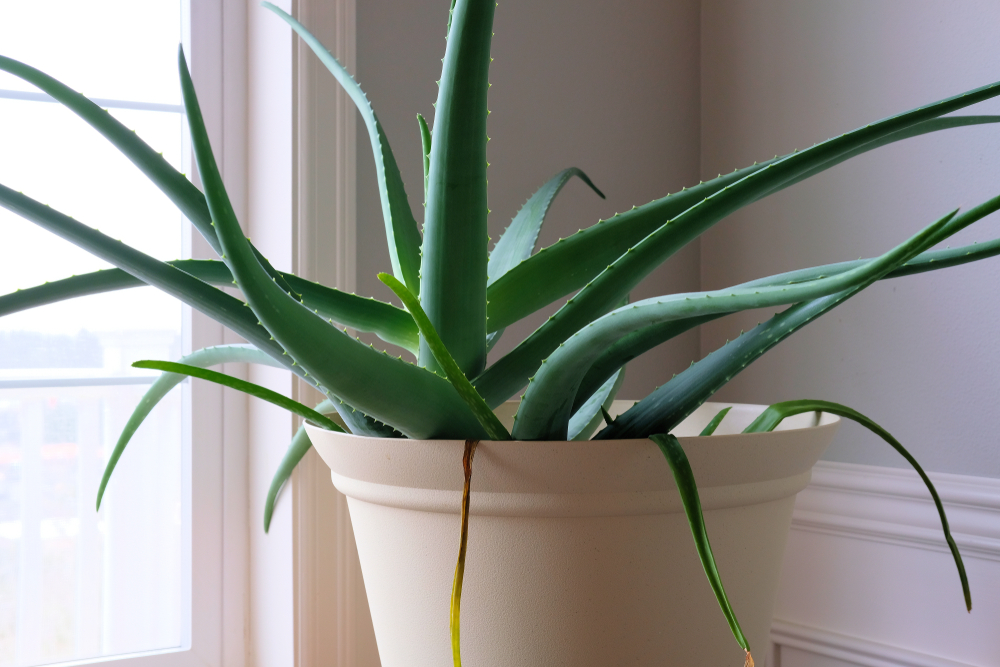
Inside your home, a south-facing windowsill is the prime real estate for your Aloe. It loves the heat and direct sunlight found there. Even during the winter when the heater is running, this plant is a champ—it actually prefers the dry air, which mimics its natural desert-like habitat. Just keep in mind that the brighter the spot, the faster it’ll grow (and the more water it’ll drink). However, the golden rule still applies: never let it sit in soggy soil!
During the winter months, your Aloe appreciates a bright but cooler spot where temperatures stay between 50°F and 60°F (10-15°C). Great options include:
- An unheated hallway or entryway
- A cool bedroom
- A frost-free sunroom
- A frost-free greenhouse
- A garage with a window
Aloe Vera Outdoors
Once June rolls around and nighttime temperatures stay consistently in the double digits, your Aloe is ready to move outside. When picking a spot on your patio or balcony, look for somewhere that is:
- Warm
- Sunny
- Sheltered from the wind
- Protected from heavy rain
Don’t just throw it into the sun right away, though! Give it a few days in partial shade to acclimate so the leaves don’t get sunburned. After that, it can handle full sun like a pro. Pro tip: Keep young “pups” or baby plants in partial shade for their first full summer, as they’re still a bit sensitive.
Care and Maintenance
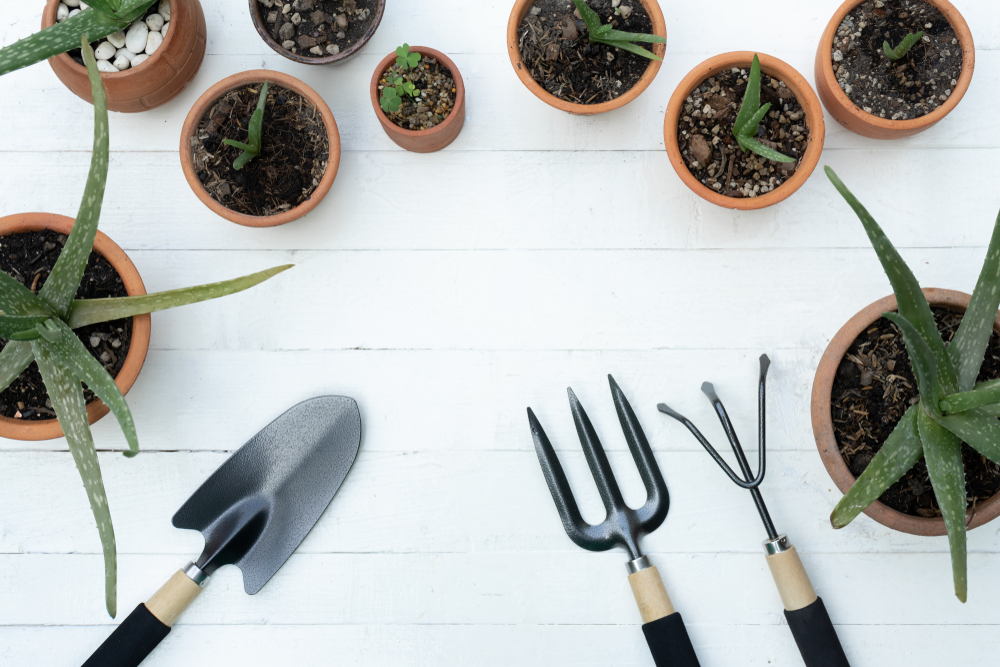
If you’ve got the location right, caring for an Aloe is a breeze. The most important thing is to be stingy with the water. To prevent root rot, I highly recommend adding a drainage layer (like pebbles) at the bottom of the pot when planting. A good rule of thumb is to only water when the top layer of soil feels dry to the touch. And don’t worry if you’re a bit forgetful—those thick, fleshy leaves act as a built-in water reservoir!
As for feeding, Aloes aren’t very hungry. You can give them a bit of highly diluted liquid fertilizer in the spring before they bloom, but that’s about it. Honestly, if you repot your Aloe regularly with fresh soil, you don’t need to fertilize at all. The new substrate will have plenty of nutrients for this low-maintenance beauty.