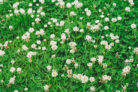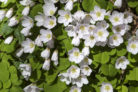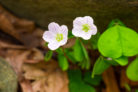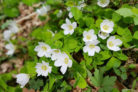
As pretty as creeping woodsorrel (Oxalis corniculata) looks with those tiny yellow flowers, don’t let it fool you—this plant is a serious garden invader. Because it spreads through both underground runners (rhizomes) and “exploding” seed pods, getting it under control is no walk in the park. Here is how you can tackle it.
Tackling Woodsorrel in Your Garden Beds
Believe it or not, creeping woodsorrel is actually edible. But if you aren’t planning on adding it to your salads, or if it’s starting to take over your yard, you need to act fast. Don’t give this weed a chance to bloom and set seed. Pull it out by the roots as soon as you see it; you might need to loosen the soil first to make sure you get the whole thing.
If the woodsorrel has already claimed a large area, clearing it out will leave behind bare patches of soil. You’ll want to replant these spots immediately and cover them with a 2-inch layer of mulch. This helps smother any leftover seeds still hiding in the dirt.
Pro Tip:
Woodsorrel often hitches a ride into your garden via store-bought potted plants. Be proactive and check the root balls of any new plants before you put them in the ground. If you spot any woodsorrel, pull it out and scrape off the top layer of potting soil just in case there are seeds lurking there.
How to Get Rid of Woodsorrel in Your Lawn
If you want to kick woodsorrel out of your lawn, you have to be careful not to kill off your grass in the process. Here is how to fight back:
- Hand-weed or use a weeding tool to dig it out.
- For large infestations, you may need to remove the patch entirely and repair it with sod.
- Mow regularly to prevent the plants from flowering and seeding.
- Strengthen your turf by checking the pH and adding lime if necessary.
- Overseed any bare spots quickly so the weeds can’t move back in.
- Water your lawn deeply; woodsorrel actually prefers drier conditions than healthy grass does.
Removing Woodsorrel from Patios and Walkways
Woodsorrel only needs a tiny crack between pavers to take root. Pulling it out by hand is tricky because the roots often snap, leaving a piece behind that will just grow right back. While using a crevice tool or weeding knife works, it’s back-breaking labor. In this case, a propane torch (weed burner) is often your best bet. You can find these fairly cheap at most hardware stores.
You’ll likely need to repeat the flaming process a few times as new sprouts appear. The key is to catch them before they bloom. Once those seed pods dry out, they “explode” and launch seeds surprisingly far through the air—which is exactly why some people call it “jumping clover.”