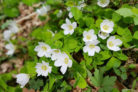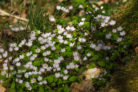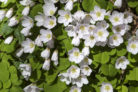
Seeds make new plants—pretty straightforward, right? But the real question is: do you actually *want* those specific plants in your backyard? When it comes to wood sorrel (Oxalis), gardeners are usually split. Some see it as a pesky weed, while others appreciate it for its hidden benefits.
Appearance and Ripening
Most wood sorrel varieties bloom between April and May, with seeds ripening by June or July. If you let the plant keep its seed pods until they’re fully mature, it’ll take care of the “planting” for you. These dry pods actually explode, launching seeds over six feet away! This “seed catapult” is why the plant spreads so effortlessly. Since it produces a ton of seeds that germinate quickly, it can be a real challenge to get rid of once it takes hold. On the flip side, if you *want* to grow it on purpose, keep an eye out for those pods. Pick the whole fruit, let it dry at home, and you’ll find seeds that are:
- Teeny tiny
- Brownish-black
- Round or teardrop-shaped
These seeds are packed with oils, which makes them a favorite snack for ants. Ants will often carry them off to different corners of your garden, where they might sprout as unexpected weeds if the conditions are right.
Sowing Your Seeds
You can sow wood sorrel seeds pretty much anywhere there’s an open spot. However, because the plant also spreads via underground rhizomes, I recommend planting it somewhere you can easily manage it if it gets out of hand. It’s much easier to control in a flower bed than in the middle of your lawn! You can sow directly outdoors starting in late April. If you prefer starting them indoors, it’s best to begin in the fall:
- Fill a pot with standard potting soil.
- Sow the seeds and cover them with a very thin layer of soil.
- Keep the soil consistently moist (but not soggy).
- Optional: Cover with plastic wrap to hold in moisture (just remember to vent it daily).
- Place in a warm, bright spot.
- Transplant outside in the spring.
Quick Tip:
Wood sorrel isn’t just edible; it’s actually good for you! You can press the fresh leaves to make a juice that’s been used traditionally to help with various ailments.
Stratification for Hardy Varieties
If you’re working with winter-hardy varieties, the seeds usually need a “cold snap” to break their dormancy. The easiest way to do this is to sow them in pots during late summer and leave them outside all winter. Once the weather warms up in the spring, they’ll start to sprout right on cue.