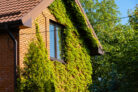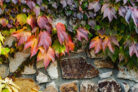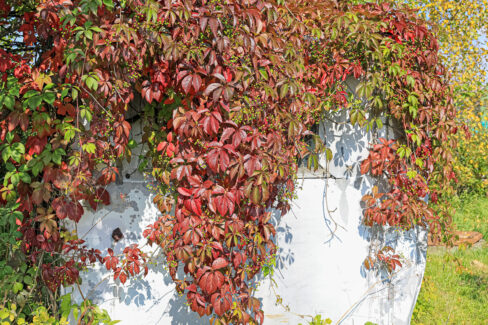
Getting rid of Virginia Creeper can be a real headache. Those little adhesive pads and deep roots are incredibly stubborn and tough to clear away. In many cases, you might feel like you have to resort to chemicals, but let’s look at your options first.
Removing the Pads and Roots
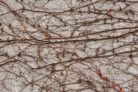
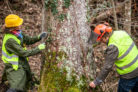
While pulling the vines off the wall is usually the easy part, the real challenge starts with the leftover adhesive pads and the root system. You’ve got to be thorough here—if you leave the roots behind, the plant will just keep coming back to haunt you.
Effective Removal Methods
Before you reach for the heavy-duty stuff, try these non-chemical methods for removing those sticky pads:
- A propane torch (gas burner)
- A pressure washer
- A stiff wire brush
Use Chemicals Only as a Last Resort
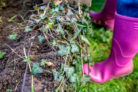
I always recommend trying the manual methods first. The same goes for the roots: dig out as many as you can find. If you see new shoots popping up, grab your spade and get digging again before thinking about herbicides. While chemical root killers are effective, they aren’t great for the environment. Try to save this step for an absolute emergency to keep your garden (and yourself) safe.
Store-Bought Herbicides
If you head to your local garden center, you’ll find ready-to-use herbicides. These are designed to kill tough weeds, but they also work on stubborn Virginia Creeper roots and pads. Just a heads-up: always follow the instructions on the label exactly. Be precise and start with a small amount—it’s better to use too little than to overdo it with toxic chemicals.
Using Vinegar or Salt Solutions
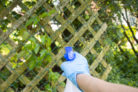
A slightly less “hardcore” option is using a vinegar or salt solution. Spray it onto the remaining adhesive pads and let it sit for a bit. You might need to repeat this a few times until the pads soften up or start to peel away. Once they loosen, you can scrub them off with a wire brush or blast them with a pressure washer. Just make sure to rinse the wall thoroughly with fresh water afterward!