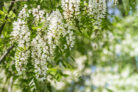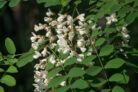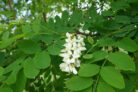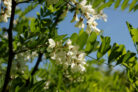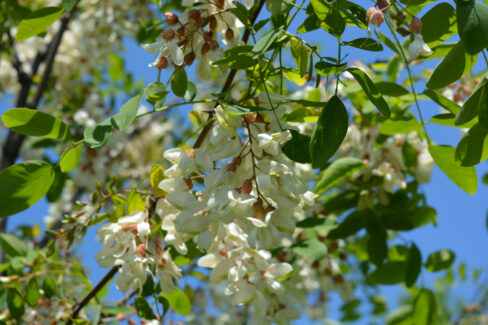
The Black Locust (or *Robinia pseudoacacia*) is known for being a pretty tough cookie. There’s a reason these trees can live to be 200 years old! But even the hardiest trees have their bad days. Despite their reputation for resilience, there are a few specific pests and diseases that love to target the Black Locust.
If you’ve noticed your tree looking a little under the weather, don’t panic. Here’s a breakdown of what to look for and how to handle it like a pro.
Common Pests and Diseases of the Black Locust
While a Black Locust can technically catch anything that bothers other deciduous trees, there are three usual suspects that show up more often than others:
- Leaf Spot Disease
- The Locust Leafminer
- Aphids
Dealing with Phloespora Leaf Spot
Leaf spot is caused by a specific fungus that thrives when we have a particularly wet, rainy spring. The first thing you’ll notice are large, round spots popping up on the leaves and new shoots. As the infection gets worse, the edges of the leaves often crack or tear, making the foliage look ragged and misshapen.
To stop the fungus in its tracks, you’ll want to grab your shears and prune back any affected branches. Pro tip: Throw the clippings in the trash, not the compost pile! You don’t want those spores hanging around to infect the rest of your garden.
Fungal issues can spread through a grove fast. If pruning doesn’t seem to be doing the trick, you might need to head to your local garden center for a fungicide to get things back under control.
The Locust Leafminer
The Locust Leafminer is actually a small beetle (though sometimes confused with moths) that lays its eggs on the leaves. When the larvae hatch, they tunnel inside the leaves to eat, leaving behind tell-tale brown patches, “skeletonized” leaves, or visible holes.
Since these guys are native to North America, they do have some natural predators here, but they can still get out of hand. If you see an infestation starting, try to manually remove the larvae or caterpillars and prune away the parts of the tree that look heavily damaged.
Aphid Infestations
Just like almost every other leafy tree in your yard, Black Locusts aren’t immune to aphids. These tiny sap-suckers can multiply fast, but you don’t need harsh chemicals to deal with them.
I always recommend a simple DIY spray: mix water with a little bit of castile soap (or insecticidal soap) and a splash of rubbing alcohol. Neem oil or other oil-based mixtures also work wonders for suffocating these little hitchhikers without harming your tree.