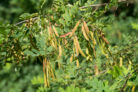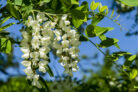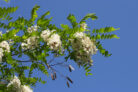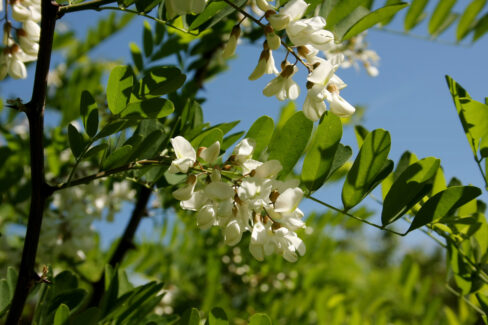
The Black Locust tree (also known as the False Acacia) is a bit of a contradiction. While every part of this tree is highly toxic, it’s also packed with fascinating traits that make it a favorite for many gardeners and nature lovers. It’s not just a pretty face, either—it’s a massive hit with bees and other pollinators!
Quick Facts About the Black Locust
If you’re looking for the “need to know” info on the Black Locust, here’s a quick breakdown:
- You might hear it called the “False Acacia,” “Silver Rain,” or “Green Locust.”
- Its scientific name is *Robinia pseudoacacia*.
- It’s a deciduous tree belonging to the pea family (Fabaceae), which explains those unique flower clusters.
- These trees can live to be about 200 years old and usually reach heights of 60 to 100 feet.
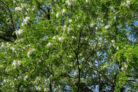
- They tend to have relatively short trunks and rounded crowns. It’s also pretty common to see them develop “double crowns.”
- Safety first: Almost every part of the tree is poisonous, with the bark being the most toxic part. Keep this in mind if you have pets or kiddos around!
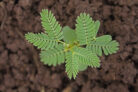
- The leaves are oval-shaped with slightly serrated edges, usually growing between 6 and 12 inches long.
- They’re a classic green on top and a softer grey-green underneath.
- Watch out for the thorns! The small stipules at the base of the leaves are actually sharp spines.
- As a deciduous tree, it drops its leaves in the winter, but not before putting on a show with vibrant yellow fall colors.
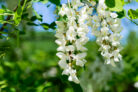
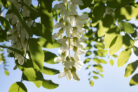
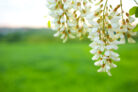
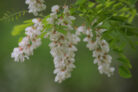
- The tree produces beautiful white (or occasionally pink) flowers that hang in long, drooping clusters about 12 inches long.
- The blooming season typically runs from May to June.
- The blossoms have an incredible scent—think citrusy Bergamot. They’re loaded with nectar, making them a five-star resort for bees and butterflies.
- When it comes to pests and diseases, keep an eye out for leaf spot, aphids, and leaf miners.
Where Does the Black Locust Grow?
The Black Locust is actually a North American native! However, it has spread across the entire Northern Hemisphere. It’s happiest in mixed deciduous forests, especially if the soil is sandy or loamy with a slightly acidic pH.
How We Use Black Locust Wood
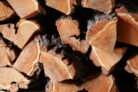
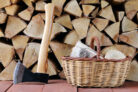
The wood from a Black Locust is incredibly tough, rot-resistant, and durable. Because it holds up so well, it’s a top choice for outdoor furniture, playground equipment, and fence posts. Plus, it makes for excellent, long-burning firewood!