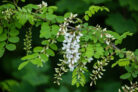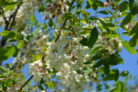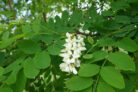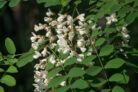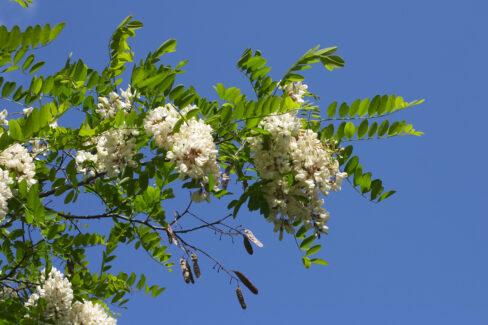
The Black Locust tree is a bit of a powerhouse. Between its massive, spreading canopy and an underground root system that seems to go on forever, getting rid of one is a major undertaking. It’s definitely more complicated than your average backyard project, but with the right tools and a little patience, you can get the job done.
Why would you want to remove a Black Locust?
Let’s be honest: not every spot in your yard is a good fit for a Black Locust. These trees don’t just have an impressive growth rate vertically; their roots spread wide and deep, too. Plus, almost every part of the tree is toxic to both people and pets. Another thing to keep in mind is that these trees “fix” nitrogen in the soil thanks to a special relationship with bacteria. While that sounds like a good thing, it actually changes the soil chemistry so much that it can crowd out and kill off other native plants nearby.
Why standard methods usually fail
Unlike most trees, you can’t just take a chainsaw to a Black Locust and call it a day. These trees are survival experts that prioritize a perfect balance between what’s above ground and what’s below. If you simply chop the trunk down, the tree goes into “panic mode” and starts sending up dozens of new suckers and shoots from the roots. You’ll end up with a forest of little trees instead of just one big one!
Effective ways to tackle a Black Locust
Getting rid of a Black Locust for good is a marathon, not a sprint. Here are the most common methods gardeners use:
- Cutting the trunk (with a specific strategy),
- Girdling the tree,
- Using herbicides.
Cutting the trunk
The most tried-and-true method is to cut the trunk at about chest height. By leaving a stump at this height and treating it correctly, you can slowly kill off the root system. Once the tree is completely dead, removing the remaining parts becomes a much easier task.
Girdling (or Ringing)
Girdling is a way to slowly starve the tree. You do this by removing a wide strip of bark all the way around the circumference of the trunk. Since the bark acts as the tree’s circulatory system and protective shield, removing it leaves the tree vulnerable to pests and diseases. Over time, the tree will lose its strength and eventually die off.
Using Herbicides
In many places, using herbicides is a common way to deal with stubborn Black Locusts. In the U.S., products like Roundup (glyphosate) are frequently used to treat cut stumps or injected into the trunk to ensure the roots die along with the crown. Just be sure to check your local regulations and avoid using chemicals near sensitive waterways or protected habitats.