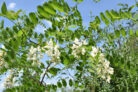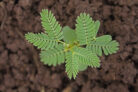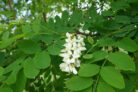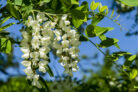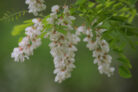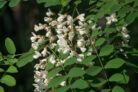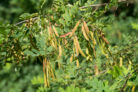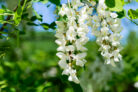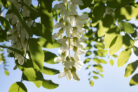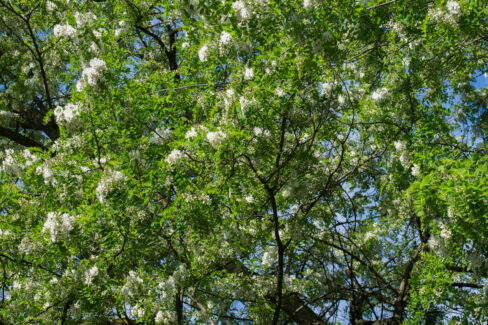
Black locust trees (Robinias) are super popular choices for adding some lush greenery to parks and backyards alike. If you’re thinking about adding one to your own landscape, there are a few things you’ll want to keep in mind to make sure it thrives—especially when it comes to picking the perfect spot.
Different Varieties of Black Locust
You can find several different species and varieties of black locusts out there. The main thing you’ll need to decide on is the growth habit:
- Tree form
- Shrub form
Growth rates can vary quite a bit between types, too. If you’re working with a smaller yard, look for specially bred dwarf varieties like the Globe Locust (Kugelrobinie). They stay much more compact and won’t take over your whole outdoor space.
Finding the Perfect Spot
Before you start digging, give some thought to the location. Generally speaking, these trees love a warm, sunny spot. While they can handle partial shade, they usually won’t grow as vigorously there. As for the soil, they prefer it to be nutrient-rich and can handle anything from slightly acidic to alkaline pH levels.
When to Plant
If you bought your tree in a container from the local nursery, you can technically plant it any time of year. Otherwise, spring and fall are your best bets. Planting in the spring is a great move because it gives the tree all summer to establish a strong root system before the winter chill sets in.
Spacing Matters
Don’t forget to give your tree some breathing room! You’ll want plenty of space between the tree and other plants, walls, buildings, or property lines. Remember, a mature black locust doesn’t just have a wide, spreading canopy—it also has a very aggressive root system underground. Keeping a safe distance from structures and neighbors helps prevent damage to foundations or branches hanging over where they shouldn’t be.
How to Plant Your Tree
Ready to get your hands dirty? Just follow these simple steps:
- Dig a hole that’s about twice as wide as the root ball.
- Mix in some compost or horn shavings to give the soil a nice nutrient boost.
- Place the tree in the hole and fill it back in with the soil you removed.
Since young black locusts can be a bit wobbly at first, it’s a good idea to support them with a stake. Once the tree feels sturdy after a few months, you can go ahead and remove it.