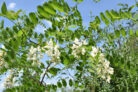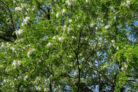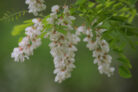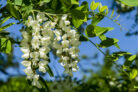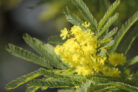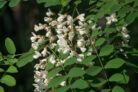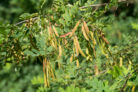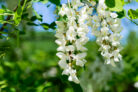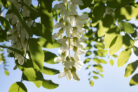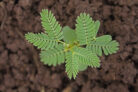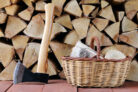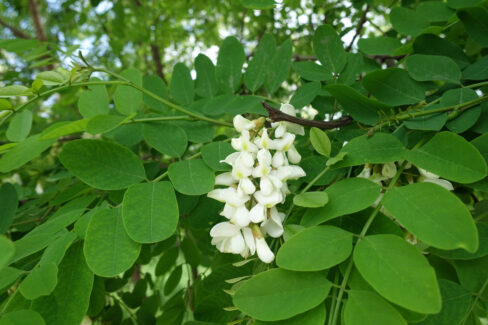
The Black Locust tree—often called a “False Acacia”—is a real powerhouse in the garden. These beauties can reach impressive heights of up to 100 feet and live for several hundred years! But if you’re thinking about planting one, you’re probably wondering: how long does it actually take for a Black Locust to reach its full potential? Let’s break down the growth rate of this fascinating tree.
How Fast Does a Black Locust Grow?
One thing to keep in mind is that the Black Locust doesn’t grow at a steady “cruise control” speed throughout its life. It’s a real sprinter in its youth, but it starts to slow down as it gets older. While it can eventually hit that 100-foot mark, it takes a few decades of patience to get there.
Here’s a quick look at what you can expect year-by-year:
- The First 10 Years: This is the “growth spurt” phase. You’ll see the tree shoot up by about 3 to 4 feet every single year.
- The Middle Years: Over the next couple of decades, things settle down a bit. Growth usually slows to about 10 to 20 inches per year.
- Age 40 and Beyond: Once the tree hits middle age, it takes it easy, adding only about 8 inches of height annually.
The Secret Sauce for Healthy Growth
Not every Black Locust is going to hit those record-breaking heights, though. If you want your tree to really thrive, you’ve got to give it what it craves. Getting the right location is the biggest piece of the puzzle.
Sunlight and Soil Preferences
Black Locusts are total sun-worshippers. While they’ll technically survive in partial shade, a lack of light will definitely stunt their growth. For the best results, pick the sunniest spot in your yard. As for the dirt, they aren’t too picky, but they prefer slightly acidic to alkaline soil that is either loamy or sandy. If you nail these conditions when planting your tree, you’re setting it up for a long, healthy life.
The Power of the Pack
Here’s a fun fact: Black Locusts actually grow better when they have friends nearby! Trees planted in groups tend to reach that 100-foot peak, whereas a “lone wolf” tree standing by itself often tops out at around 65 feet.
Why is that? It’s all about teamwork. These trees have a cool symbiotic relationship with special soil bacteria that helps them fix nitrogen. More trees mean more nitrogen in the soil, which acts like a natural fertilizer boost for the whole group. They literally help each other grow!