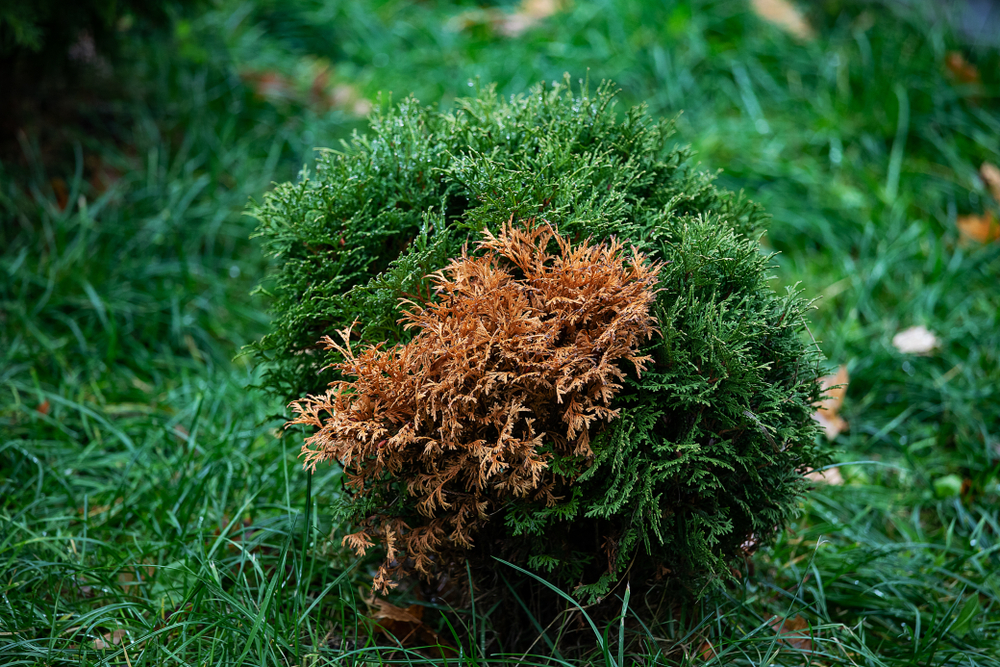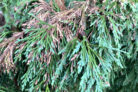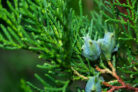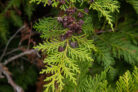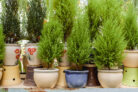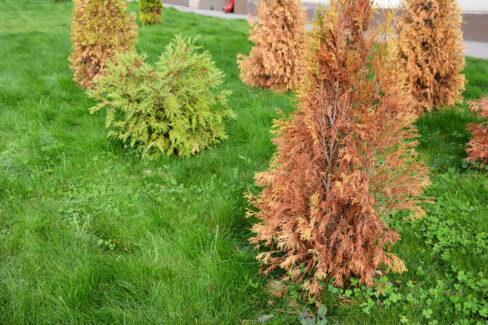
As one of the hardiest varieties of arborvitae out there, the Thuja Brabant is usually a tough cookie when it comes to diseases or pests. If you start seeing brown patches, it’s usually a sign that something is off with its care routine or its spot in the yard isn’t quite right.
Why is my Thuja Brabant turning brown?
There’s actually a pretty long list of reasons why you might see brown tips on your Thuja Brabant. Most of the time, it comes down to a “oops” in the maintenance department. Even most diseases only take hold when the plant is already stressed from poor care. Here are the usual suspects for those brown needles:
- The wrong planting spot
- Too much intense, direct midday sun
- Over-fertilizing (easy to do!)
- Drought or lack of water
- Pests
- Root rot
How do you keep your Thuja Brabant looking green and healthy?
While the Thuja Brabant is pretty low-maintenance, you can’t just “set it and forget it.” Especially if you’ve planted them as a privacy hedge, they’ll need a little TLC to ensure they keep up that lush, healthy growth.
Picking the perfect spot for your Arborvitae
Getting your Thuja Brabant off to a good start begins the moment you dig the hole. These trees love the sun, but they can get a bit “sunburned” by harsh, direct midday heat. A spot with partial shade is often the sweet spot. Also, try to avoid super windy areas—planting a hedge right in a wind tunnel can lead to trouble.
Pro tips for Thuja Brabant care
To keep your arborvitae thriving, keep these simple care tips in mind:
- Fertilize in moderation
- Keep the soil consistently moist
- Avoid “wet feet” (standing water)
- Give it a regular trim
If you have a standalone Thuja Brabant, it hardly needs any fertilizer at all. You really only need to provide extra nutrients for young trees or those planted closely together in a hedge. Remember: less is more! Too much fertilizer can actually cause the browning you’re trying to avoid. Your best bet is organic matter like well-aged compost or manure. Finally, watch your watering—standing water leads to root rot, but letting the soil get bone-dry will also cause those needles to crisp up.