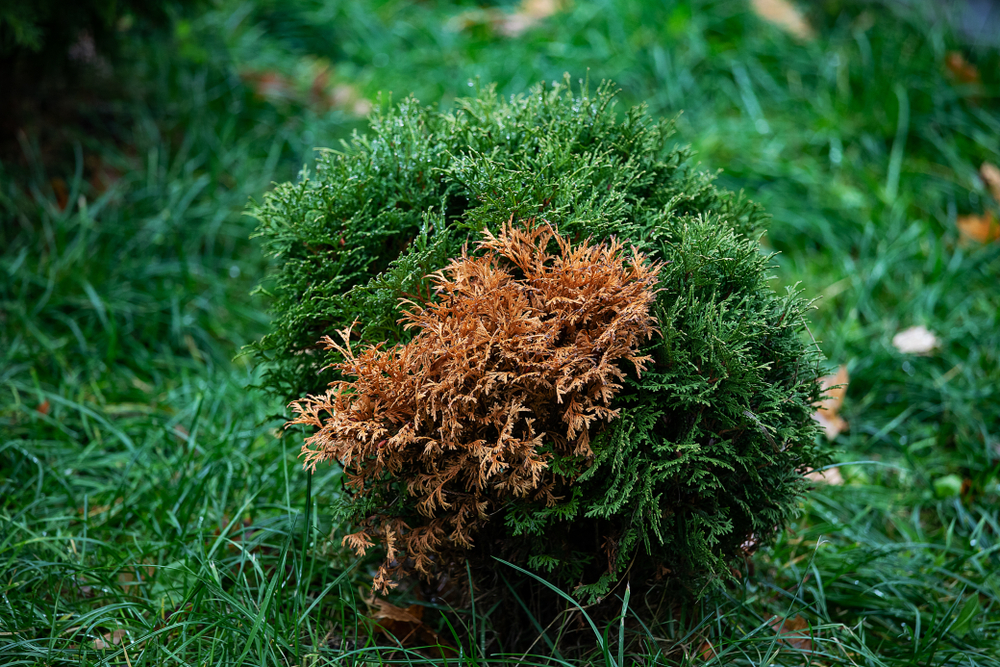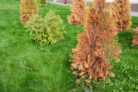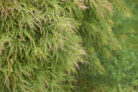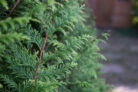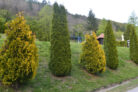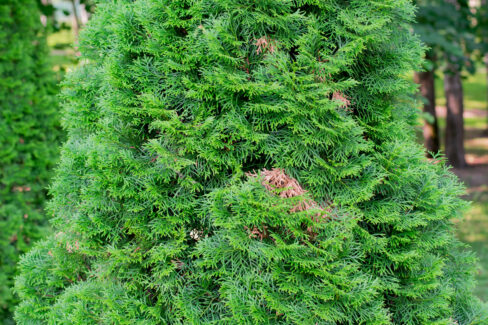
If you’ve noticed your Arborvitae (Thuja) turning brown, your first instinct might be that it’s starving for nutrients. However, while a lack of magnesium *can* be the culprit, it’s actually pretty rare. Reaching for the Epsom salts (bitter salts) without a plan can actually do more harm than good to your beautiful evergreens.
Why is my Arborvitae turning brown?
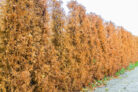
Brown tips on an Arborvitae can be caused by a whole laundry list of issues. While many gardeners jump to using Epsom salts to fix a magnesium deficiency, that’s often not the real problem. Here are the most common reasons your Thuja might be losing its green:
- Over-fertilizing
- General nutrient deficiency
- Pest infestations
- Fungal diseases
- Drought stress
- Overwatering (root rot)
- Pruning during intense midday sun
If your Thuja is generally lacking nutrients, your best bet is to fertilize with an organic option. Young plants and privacy hedges are especially hungry for these extra nutrients. While brown tips can signal a deficiency, it’s usually other minerals—not magnesium—that are missing. In fact, if you’re already fertilizing regularly, the browning might actually be a sign of over-fertilization.
How do I know if it’s actually a magnesium deficiency?
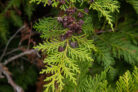
Epsom salts are a “one-trick pony”—they only treat a lack of magnesium. The tell-tale sign of a magnesium issue is yellowing needles. Because magnesium is water-soluble, heavy rains can wash it away from the soil fairly easily. Before you start spreading salts, I highly recommend getting a soil test from a local lab. It’s the only way to be 100% sure your soil is actually lacking magnesium.
What happens if there’s too much magnesium in the soil?
Often, the problem isn’t that there’s no magnesium in the dirt, but that the plant can’t absorb it. Adding too much fertilizer or Epsom salt can actually burn the roots. Once the roots are damaged, they can’t take in *any* nutrients. If your Arborvitae has already been struggling with dry soil, adding salt can be the final straw—salt pulls even more moisture out of the ground. For a hedge, this often results in ugly, permanent gaps.
When is the best time to use Epsom salts?
If a soil test confirms you need it, the best time to apply Epsom salts is in March or April, right when the new growth starts popping out. You might need a second round in the summer. To keep your trees safe, pick a day with the following conditions:
- Overcast skies
- Right after a rain or a good watering
- No heavy downpours in the immediate forecast (you don’t want it washed away instantly)
How do I apply Epsom salts to my Thuja?
You can apply it as a liquid spray or in its solid crystal form. Either way, keep it away from the main trunk! If you’re using a liquid solution, spray both the tops and bottoms of the needles until they are damp, but not dripping wet. If you’re using the dry salts, sprinkle them on the soil and give the area a thorough watering. Most importantly: never exceed the dosage recommended on the package!