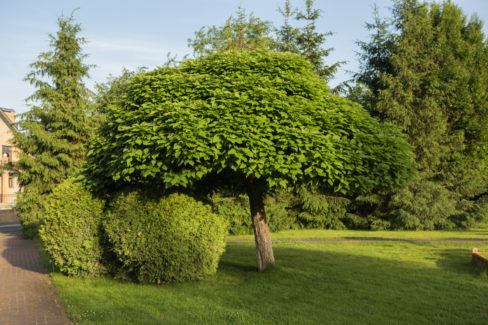
While pests usually leave the Dwarf Catalpa alone, this tree can be a bit of a magnet for diseases. Because they’re prone to a few specific issues, the key to keeping your tree healthy is catching the symptoms early and acting fast.
Verticillium Wilt
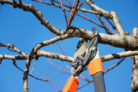
Verticillium wilt is a fungal disease that usually targets trees that are already a bit stressed—maybe they aren’t getting enough nutrients or the water isn’t flowing through the “veins” of the tree properly. You’ll know it’s there if you see the leaves starting to curl up and turn yellow. Unfortunately, there’s no real “cure” for this one. Your best bet is a heavy pruning to try and save the rest of the tree. Just a heads-up: never put those trimmings in your compost pile, or you’ll risk spreading the fungus to the rest of your garden!
Powdery and Downy Mildew
If you have a wet spring followed by a scorching summer, keep an eye out for mildew. “True” powdery mildew looks like a dusty white coating on the tops of the leaves, while downy mildew usually shows up as yellow spots. If you spot it, here’s your game plan:
- Snip off and dispose of any infected leaves or branches.
- Give the tree a good spray with a simple mixture of milk and water (it’s a great home remedy!).
- If the infestation is really taking over, you might need to step it up to a fungicide.
Fungicides actually work much better as a preventative measure than a cure. To give your Catalpa a fighting chance, I recommend using an organic-mineral fertilizer between April and July to boost its “immune system.”
Brittle Cinder Fungus
If you notice white, crusty fungal growths popping up on your tree in the spring, you’re likely dealing with Brittle Cinder Fungus. This nasty stuff leads to white rot and soft rot, which can really compromise the tree’s structure. Sadly, there’s no treatment for this once it takes hold. The best defense is a good offense: make sure your tree stays well-watered, properly fed, and try to avoid any nicks or “wounds” to the bark where fungi can get in.