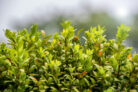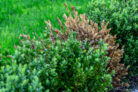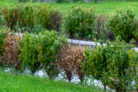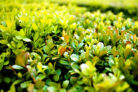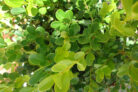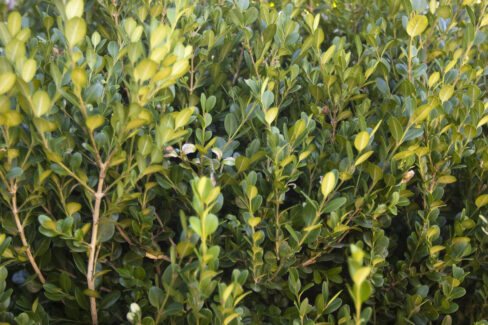
Boxwoods can be a little picky about when and how they get their water and nutrients. But trust me, if you play by their rules, they’ll thank you with that gorgeous, deep green foliage all year long. If you start seeing those leaves turn yellow, it’s usually a sign that your care routine needs a little fine-tuning.
Is Your Boxwood Thirsty?
Boxwoods are shallow-rooted plants. Even on those big, old shrubs, the roots rarely go deeper than about 20 inches. On a scorching summer day, that top layer of soil dries out fast, right when the leaves are losing moisture the quickest. Most of us remember to grab the watering can in July, but here’s the kicker: people often forget about watering in the winter. Since boxwoods are evergreens, they need a drink in the winter just as much as they do in the summer!
- Water daily during heatwaves.
- Scale back in the spring and fall.
- Give them some water on frost-free days in the winter.
- Early morning is the best time to water.
Pro Tip:
Spread a thick layer of mulch (like bark mulch) around the base. It helps keep moisture in the ground and adds nutrients back into the soil as it breaks down.
Don’t Overdo the Water
While they hate being dry, boxwoods don’t like “wet feet” either. If excess water can’t drain away, the roots will sit in soggy soil and start to rot. Before you reach for the hose, do the finger test: poke your finger about 1.5 to 2 inches into the soil. If it feels dry, go ahead and water. If it’s still damp, check back in a few days. Also, make sure you plant your boxwood in well-draining soil and consider adding a drainage layer at the bottom of the hole.
Nutrient Deficiencies and Yellow Leaves
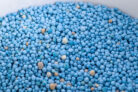
Yellow leaves can also be a “hunger signal.” Even though boxwoods are slow growers, they still need a steady supply of nutrients—especially nitrogen and potassium. Your best bet for fertilizing is an organic, slow-release fertilizer. If you have boxwoods in pots, a liquid fertilizer usually works better. I’d skip the high-phosphorus “Blue Grain” (Blaukorn) mineral fertilizers, since boxwoods rarely bloom anyway. Stick to a feeding schedule from April to August. You want to stop by late summer so the plant doesn’t produce tender new growth that’ll just get zapped by the first winter frost.
A Quick Note:
If you’ve checked the water and the fertilizer and things still look off, take a closer look at the roots. You might have some uninvited guests like grubs or voles causing damage underground.