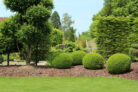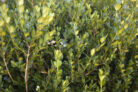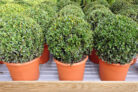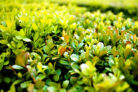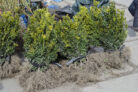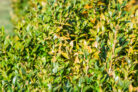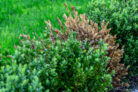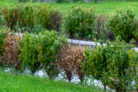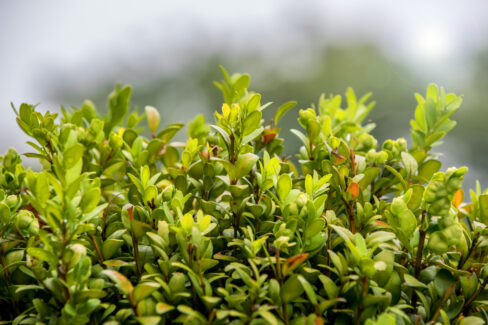
Moving is a major stressor—and not just for us humans! While boxwoods are generally pretty chill about moving to a new spot, they can be a bit picky if their living conditions take a turn for the worse. If you notice your boxwood turning yellow after a move, it’s basically waving a red flag that something is wrong. The good news? It’s usually just a temporary setback if you know how to handle it.
What went wrong after the move?
If your boxwood starts showing yellow leaves after being transplanted, it means its environment has shifted in a way it doesn’t like. This doesn’t necessarily mean you picked a bad spot in your yard. More often than not, the roots took a bit of a beating during the move, leaving the plant unable to soak up enough water and nutrients. Even though your first instinct might be to go heavy on the watering and fertilizer, those aren’t always the quick fixes you’d expect.
Pro Tip:
If the leaves are turning brown rather than yellow, you’re likely dealing with something other than a nutrient deficiency. In that case, keep a sharp eye out for signs of a fungal infection and act fast!
How to save a yellowing boxwood
Once a leaf turns yellow, it’s not going back to green, so it’s best to just let it go. Give your boxwood a good, hard prune in the fall. This helps restore the balance between the root system and the foliage. By the time spring rolls around, the roots will have had time to recover, and you’ll see fresh new growth. Stick to a solid care routine, and your plant will be feeling at home in its new spot in no time.
The right way to transplant a boxwood
If you’ve already moved your plant, these tips are for next time—but they’re great to keep in your back pocket! To keep those leaves from turning yellow in the first place, timing is everything. March and September are the best months for a move, but the prep work actually starts weeks in advance. Here’s the game plan:
- Two weeks before the move, use a spade to cut around the roots.
- Dig a shallow trench around the base of the plant.
- Aim for a diameter that matches the height of the plant.
- Water it well and then just leave it alone for a bit.
- This encourages the boxwood to grow a compact root ball with plenty of fine feeder roots.
- Keep it well-watered until moving day.
- Make sure your new planting hole is twice the size of the root ball.
- Mix some compost into the soil (and a little sand if you need better drainage).
- Prune the branches back *before* you move the plant.
- Once it’s in its new home, make sure it stays well-hydrated.