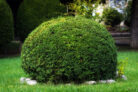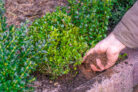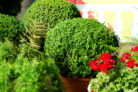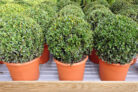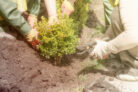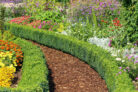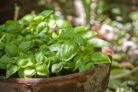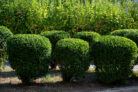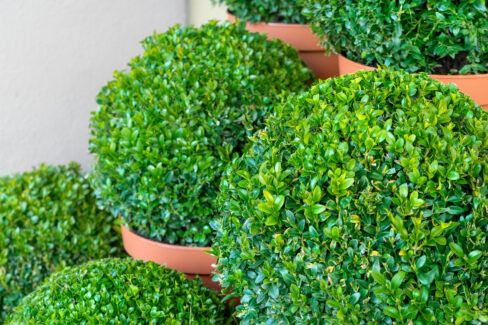
It’s almost a toss-up whether boxwood looks better in a garden bed or a stylish container. Honestly, I think its beauty has less to do with where the roots are and more to do with how you shape it and the TLC you provide. If you’re looking to level up your patio game, here are the building blocks for successfully growing boxwood in pots.
Location
Most of us grow boxwood in containers to spruce up a terrace, balcony, or front entryway. While they are versatile, your boxwood will be happiest in a spot with partial shade. Direct midday sun can actually cause the leaves to get a nasty sunburn. If you absolutely have to place it in a sunny spot, make sure to acclimate it slowly so it can toughen up.
Soil and Pots
Even in a container, boxwood can grow into a substantial plant, so you’ll need a pot that is both large and deep. A good rule of thumb is to choose a container at least one-third wider than the root ball.
For planting, a high-quality commercial potting soil works great. You’ll want to repot your boxwood every two to three years in the spring after its first trim. Fresh soil provides a nice nutrient boost, so if you repot in the spring, you can actually skip fertilizing for the rest of that season.
Watering and Fertilizing
Boxwood in pots need a steady supply of water, though you should always factor in how much rain is actually hitting your balcony or patio. Since nutrients wash out of pots faster than the ground, fertilizing is a must. Here’s the “cheat sheet” for keeping them hydrated and fed:
- The sunnier the spot and warmer the weather, the more often you’ll need to water.
- In the heat of summer, check them daily.
- In spring and fall, 2-3 times a week is usually plenty.
- In winter, water weekly on days when the ground isn’t frozen.
- Use rainwater or tap water that has sat out for a bit.
- Water from the bottom; try not to get the leaves wet, as damp foliage invites fungal issues.
- Avoid “wet feet” (standing water).
- Fertilize from April through July.
- Use a liquid evergreen fertilizer or a specialized boxwood fertilizer.
- Follow the manufacturer’s instructions for dosage and frequency.
Pro Tip:
To keep those sensitive roots from rotting, make sure your pot has drainage holes and a layer of gravel or clay pebbles at the bottom for drainage. If you use a saucer, be sure to empty it shortly after watering.
Pruning for Shape
Because boxwood handles pruning like a champ, you can get really creative with shapes—from classic spheres and pyramids to fancy spirals. If you’re going for a geometric look, using a template or frame makes the job way easier. The first shaping trim happens right after the first growth spurt in spring, with a second touch-up no later than August. If your plant is a fast grower, you can trim more often, just give it at least four weeks to recover between haircuts.
Safe Overwintering on the Balcony
Boxwoods are hardy, but their roots are much more exposed to frost when they’re in a pot above ground. In the fall, wrap the pot in bubble wrap, fleece, or burlap to insulate it. Just make sure to leave the top of the soil exposed so you can still water it, and don’t block the drainage hole at the bottom!
Pests and Diseases
Unfortunately, boxwood can be a bit of a magnet for certain pests and diseases. Keep a close eye on the leaves for any changes so you can jump into action quickly. Also, remember that boxwoods love lime! Make sure the soil doesn’t get too acidic; they are happiest with a pH value between 7 and 8.