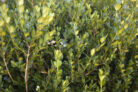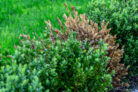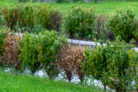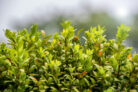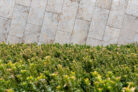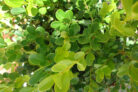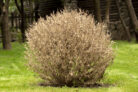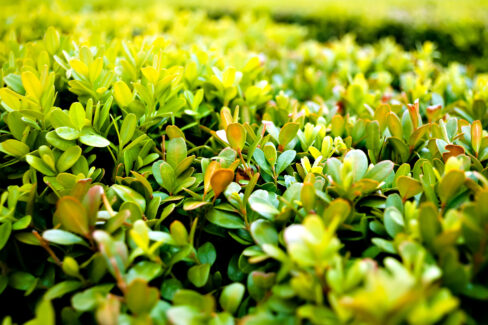
If you spot orange or reddish leaves on your boxwood, don’t just look the other way! A healthy boxwood is famous for staying vibrant green all year round—spring, summer, fall, and winter. But hey, don’t panic just yet. If you catch it early and know what to do, you can usually get your shrub back to its gorgeous green self in no time. So, how do you handle it?
Why is my boxwood turning orange?
Green leaves are a sign of a happy plant. While yellow or brown leaves often point to pests or serious diseases, orange and reddish tints are usually a cry for help regarding care or a specific type of infection.
Here are the usual suspects:
- Nitrogen deficiency (lack of nutrients)
- Drought stress
- Boxwood rust
Nutrient Deficiency
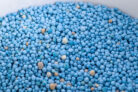
Nitrogen is the “secret sauce” for boxwoods. It’s what fuels new growth and keeps that foliage looking lush and green. Even though your boxwood craves nitrogen during the growing season, you often won’t see the “colorful” consequences of a deficiency until winter hits. Take a look at your fertilizing routine—are you using the right food at the right time? If the discoloration is happening right now, try a liquid fertilizer with fast-acting nitrogen to give it a quick boost.
Drought Stress
When a boxwood gets too dry, it can start shifting from orange to brown. We usually remember to water in the heat of summer, but winter is when many gardeners drop the ball. Since boxwoods are evergreens, they still need a drink during the cold months on days when the ground isn’t frozen. This is especially important for potted boxwoods or those living in particularly sunny, dry spots.
Boxwood Rust
If you notice reddish foliage as early as autumn, you might be dealing with boxwood rust. This is a fungal disease caused by *Puccinia buxi* that specifically targets the common boxwood (*Buxus sempervirens*). Those reddish tones are actually rusty spore deposits on both the tops and bottoms of the leaves. At first glance, they can look a bit like scale insects. To fix this, you’ll need to give the plant a heavy pruning. If the infection is really bad, a fungicide might be necessary. Most importantly: throw those clippings straight into the trash—not the compost!
Pro Tip:
Before you start hacking away, spread a tarp or cloth around the base of the shrub. It makes it so much easier to collect every single diseased leaf and twig so the fungus doesn’t hang around.
Natural Fall Colors
Just a heads-up: some varieties naturally change color in the fall, especially if they’re in a sunny spot. It’s actually a defense mechanism to help them survive the winter. These reddish-brown tones usually stick around until spring, and then the plant turns green again all on its own. So, before you grab the shears, double-check if your specific variety is just “blushing” for the season!