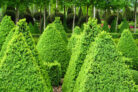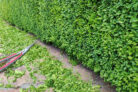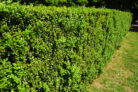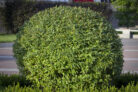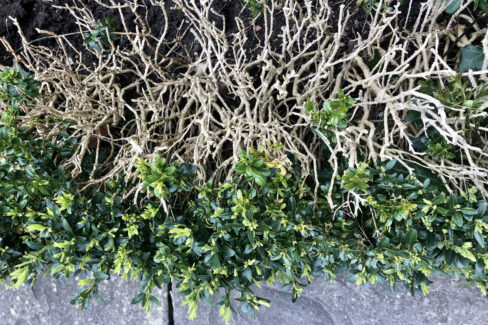
If you’ve ever peeked inside a large boxwood, you’ve probably noticed it looks pretty bare in there. Don’t panic! It’s actually totally normal. The explanation is simple: where there’s no light, leaves won’t grow. As long as the outside stays lush and green, most gardeners don’t mind a little “emptiness” on the inside. However, if that beautiful green facade starts showing gaps, it’s time to step in.
What to Do About Natural Thinning
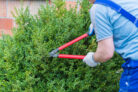
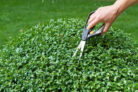
If your boxwood has become hollow over time, there’s no “cure” for the interior—and honestly, you don’t need one. As long as the outer canopy gets plenty of sunlight and you keep up with regular pruning, your shrub will stay dense, vibrant, and exactly as beautiful as you want it to be. To keep it looking its best:
- Give it a good pruning every year.
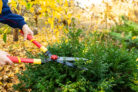
- Perform a shape trim once the new growth appears.
- Aim for April or May for your primary trim.
- Only cut back a portion of the new growth.
- Follow up with a maintenance trim by August.
- Feel free to trim more often if needed, just give the plant about four weeks to recover between sessions.
Pro Tip:
If you accidentally snip too deep and hit that bare interior, don’t sweat it. You’ll have a visible bald spot for a bit, but boxwoods are hardy and sprout well even from old wood. With a little time, that gap will fill right back in.
Reviving a Severely Overgrown Boxwood
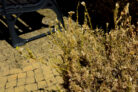
Regular pruning is the secret sauce for boxwoods—it encourages heavy branching, which creates that iconic dense, compact look. If you skip the shears for too long, the shrub will eventually “break apart.” Instead of a solid green wall, the branches start looking like messy brooms with big gaps in between. At this stage, a light trim won’t cut it.
- Cut the plant back hard in early spring before the new growth starts.
- Don’t be afraid to cut deep into the woody sections.
- Follow up with a high-quality slow-release fertilizer.
- Keep it well-watered, but make sure the soil drains well so the roots don’t sit in water.
Fair warning: you’ll need some patience. Your boxwood is going to look a little rough for a while. It will definitely grow back, but it might take two or three years to return to its full, leafy glory. The deeper you cut into the old wood, the longer the “ugly duckling” phase will last.
When Bare Spots Mean Trouble
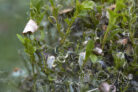
Sometimes, a hollow interior isn’t just natural aging—it can be a sign of fungal disease or the dreaded boxwood moth. Those hungry caterpillars love to eat their way from the inside out. Make it a habit to inspect the center of your shrubs every March when the larvae start to hatch. You’ll want to act fast to stop them before they turn your beautiful green hedge into a skeleton.