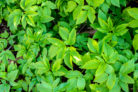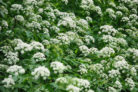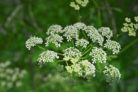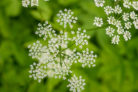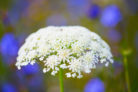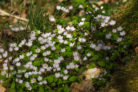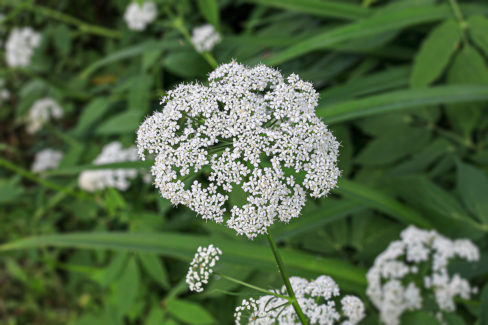
Most gardeners treat Goutweed like public enemy number one, constantly trying to kick it out of their flower beds. But hold on a second before you grab the weedkiller! This fast-spreading plant is actually a powerful medicinal herb that’s both edible and super healthy. Believe it or not, it’s a close cousin to kitchen staples like dill and parsley. Let’s dive into what makes this misunderstood plant so special.
Goutweed Profile: An Underrated Healing Herb
- Family: Apiaceae (Umbellifers)
- Botanical Name: *Aegopodium podagraria*
- Origin: Eastern Europe, Central Europe, and Asia
- Natural Habitat: Along streams, roadsides, deciduous forests, gardens, parks, and thickets
- Preferred Spot: Partial shade to dappled sunlight
- Soil: Not picky at all; thrives even in nutrient-poor soil
- Growth Habit: Upright, spreading, and herbaceous
- Height: Anywhere from 28 to 40 inches (70 to 100 cm)
- Leaves: Deep green, divided into three parts, serrated, and pointed at the tips
- Blooming Period: Mid-May through late September
- Flower Type: Umbrella-like clusters (umbels)
- Flower Color: White to slightly yellowish
- Fruit: Small, inconspicuous seed capsules
- Special Features: Edible, non-toxic, and prized as a medicinal herb
How to Spot Goutweed: Identification Tips
The best way to identify Goutweed is by its upright growth and its bushy, herbaceous look. The leaves are always split into three sections and should be a vibrant green if the plant is healthy. If the plant is struggling for nutrients, you might notice the leaf edges turning a bit bluish.
Take a closer look at the leaf structure: the edges are distinctly jagged (serrated) and the overall shape is an elongated oval. If you’re still not sure, check the stem. This is a dead giveaway—the stem of Goutweed is hollow and has a distinct triangular shape.
By the way, if you’re looking at Goutweed seeds, they look a lot like caraway seeds. They are small, thin, smooth, brown, and have a surprisingly spicy kick to them!
Healthy Goutweed: From Garden Nuisance to Superfood
Even though Goutweed grows like crazy and can feel a bit unpredictable in the garden, it’s actually a fantastic medicinal plant. It’s completely edible and packed with nutrients. Taste-wise, it’s savory, aromatic, and slightly salty with a hint of spice.
Many people use it as a seasoning; it tastes like a delicious cross between a carrot and parsley. Because it’s antibacterial, anti-inflammatory, and detoxifying, it’s been used for ages to help with everything from minor burns and cuts to colds and digestive issues.
Fun fact: Goutweed actually gets its name from its traditional use in treating symptoms of rheumatism and gout!