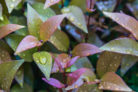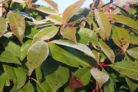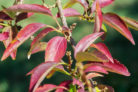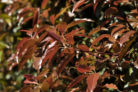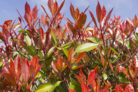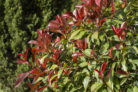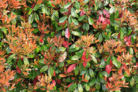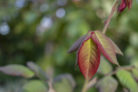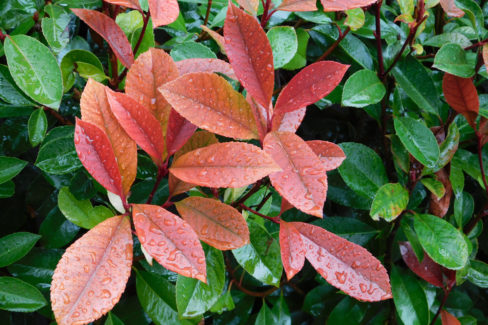
With their stunning red new growth and those glossy green leaves, Photinias (also known as Red Robins) are a real showstopper in any garden. But if you start noticing ugly black spots popping up on the foliage, that “wow factor” disappears pretty fast. If your plant is looking a little under the weather, it’s time to play detective and find the cause.
What’s causing those black spots?
If you see black spots on your Photinia leaves, it’s usually a sign of a disease. This is a bit different from brown spots or brown leaves, which are often just a sign that your plant is thirsty. Black spots are typically caused by either bacteria or a fungal infection. The most common culprits are Fire Blight, Entomosporium leaf spot (leaf blight), and Apple Scab.
How can I help my Photinia?
First, check the soil. If it’s bone dry, give your plant a good soak. If you’ve just come out of a long, harsh winter, that might actually be the reason for the discoloration. Sometimes Photinias suffer from “winter burn”—they lose more water through their leaves than they can soak up from the frozen ground. These frost-related issues happen from time to time. However, if the branches look diseased, you’ll need to prune them out immediately.
Is there a cure for Fire Blight?
Fire Blight is a tough one because it also attacks fruit trees and can kill them off quickly. Preventing it from spreading is super important. If a plant is severely infected, the only real solution is to dig it up and get rid of it entirely. If you catch it early, you can try to save the plant by aggressively pruning it back—cut well into the healthy wood to make sure you’ve removed all the infected parts.
To prevent Fire Blight in the first place, keep an eye out for pests. Insects can carry the bacteria from plant to plant, so managing bugs is key. You can also use yeast-based organic treatments, which help create a barrier that makes it harder for pathogens to take hold.
Quick Summary:
- Possible causes: Bacterial infections, fungus, or simple dehydration.
- What to do: Prune back diseased branches aggressively; water regularly if the plant is stressed by drought.
- Severe cases: If the infection is taking over, you may need to remove and destroy the plant.
- Cleanup: Never leave infected clippings in the garden or toss them in the compost!
Pro Tip: When you prune a sick Photinia, always dispose of the clippings in the trash—never the compost pile. Otherwise, those nasty spores and bacteria will just hang around and reinfect your garden next season!