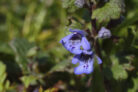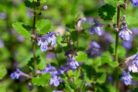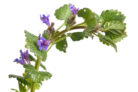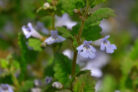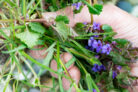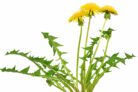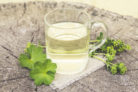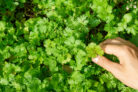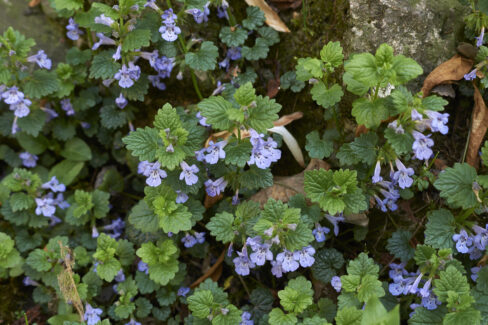
Ground ivy—or “Gundermann” as we call it back in the old country—is one of those wild plants that seems to pop up everywhere: in the woods, along the trail, and quite often, right in the middle of your lawn. It’s one of those “must-know” wild herbs for any nature lover. When it’s in full bloom, it’s the perfect time to harvest it for the kitchen or your natural medicine cabinet. Curious to learn more about this versatile little creeper?
Quick Facts
- Scientific Name: Glechoma hederacea
- Family: Lamiaceae (Mint family)
- Common Names: Ground ivy, Creeping Charlie, Gill-over-the-ground, Alehoof
- Native Range: Europe, Western and Northern Asia
- Leaves: Green or variegated; round to heart-shaped with scalloped edges
- Flowers: Classic funnel-shaped “labiate” flowers, bluish-violet, up to 1 inch long
- Bloom Time: Peak season is April to May; secondary blooms in March and June through July
- Harvest Time: April to August
- Fruit: Nutlet containing four seeds
- Propagation: Spreads via long runners (stolons) and seeds
- Hardiness: Fully hardy and evergreen
- Toxicity: Safe for humans; however, it can be toxic to some small pets like rodents and horses
- Kitchen Uses: Great in wild herb salads, egg dishes, herb butter, or as a savory seasoning
- Medicinal Uses: Traditionally used for inflammatory issues, boosting metabolism, and aiding digestion
- Garden Use: Makes a lovely flowering groundcover for those tricky shady spots
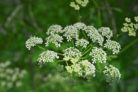
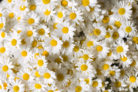
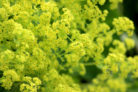
- Look-alikes: Often confused with common ivy, bugleweed, self-heal, or red dead-nettle
Where to Find It
Ground ivy loves heavy, moist soil with plenty of lime. You’ll spot it thriving in all sorts of places, including:
- Underneath hedgerows and bushes
- Along the edges of forests
- In meadows and pastures
- Right in your backyard or park lawn
- Damp woodlands
Whether it hitches a ride into your garden on its own or you plant it intentionally, be warned: if you let it roam free, it can be a real challenge to get rid of later. Pro tip: if you want to keep it contained, “fence” it in with heavy paving stones—it can’t climb over them! Also, keep an eye on where it grows; as an “indicator plant,” it tells you that your soil is rich in nitrogen.
Growth Habit and Appearance
While ground ivy stays low to the ground, it’s a champion at taking over space, sending out runners that can reach up to 6 feet long! Every 4 inches or so, it sends up an upright flowering shoot. This hardy perennial eventually creates a lush “Gundermann carpet.” Here’s what to look for:
- Leaves grow in opposite pairs along the stem
- Heart-shaped or rounded leaves with wavy, scalloped edges
- Size varies from 0.5 to 8 inches depending on the environment
- Flowers grow from the leaf axils
- Usually found in clusters of 2 to 5
- Classic “mint family” flower shape
- Color: Mostly bluish-violet, though you’ll occasionally spot white or pink blooms
Using Ground Ivy
Both the leaves and flowers are edible. The leaves have a bold, herbal flavor with a hint of mint, while the flowers are slightly sweeter.
- Toss raw leaves into wild green salads
- Use it fresh or dried as a savory seasoning
- Use the flowers as a beautiful, edible garnish
- Brew the leaves into a herbal tea
If you’re interested in its medicinal properties, there’s a wealth of info out there. It wasn’t just a favorite of the famous herbalist Hildegard von Bingen; modern studies have also looked into its beneficial effects.
Quick Tip:
Always harvest your herbs from “clean” areas far away from busy roads. And as always, double-check your ID to make sure you haven’t picked a look-alike!