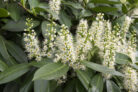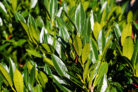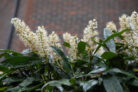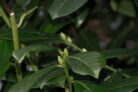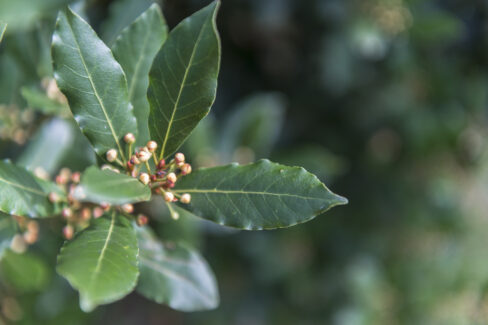
The lush, evergreen foliage of a laurel tree is a real showstopper in any garden. But when your tree starts looking a little under the weather, that beautiful view can disappear pretty fast. Don’t worry, though! I’ve put together a guide on the most common issues that can threaten these hardy plants and, more importantly, how you can fix them.
Identifying and Treating Shot Hole Disease
One of the most common issues people talk about with laurel is “shot hole disease.” Now, here’s a quick pro tip: this fungal infection usually targets Cherry Laurel rather than True Laurel (Bay Laurel). It attacks the plant’s leaves, starting with small brown spots that eventually rot away, leaving holes that look like they were hit by a shotgun. This usually pops up after a particularly cool, damp spring. If you spot it, you’ll want to act fast. Here’s your game plan:
- Give the plant a consistent, heavy pruning.
- Remove every single infected leaf and branch you can find.
- Once the weather warms up, treat the tree with horsetail tea or a copper and clay-based fungicide.
Pests and Other Common Bay Laurel Problems
On the bright side, True Laurel (Bay Laurel) is incredibly tough. It rarely catches shot hole disease and generally holds its own against pests. Occasionally, you might spot some scale insects hitching a ride. Because laurel leaves are so thick and leathery, these little guys don’t usually do much damage, but they definitely aren’t pretty to look at. If you want to clear them off, just use a bit of insecticidal soap (or a mild dish soap solution) and gently wipe down the leaves.
Another pest to watch out for is the spider mite. These usually show up if your laurel is spending the winter in a spot that’s a bit too toasty. To keep them away, try to keep your overwintering area below 46°F (8°C). If you already have an infestation, a quick “shower” with a garden hose can often wash them away. For more stubborn cases, a standard organic neem oil spray or a homemade soapy water mix should do the trick!