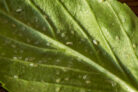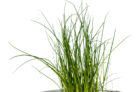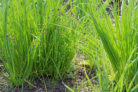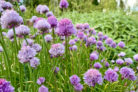
Fungus gnats look like tiny flies and can take over your indoor garden in the blink of an eye. The real troublemakers here are the larvae, which feast on your plants’ roots. Even though these pests aren’t huge fans of the strong scent of chives, they’ll still move in if given the chance.
What Exactly Are Fungus Gnats?
At first glance, you might mistake fungus gnats for common fruit flies, but if you look closer, there are some key differences. Fruit flies usually hang out around kitchen scraps or overripe fruit, while fungus gnats are obsessed with potting soil. You’ll also notice that fungus gnats are pretty clumsy fliers—they don’t fly in a straight line. They have distinct black bodies and dark-tinted wings.
Fungus gnats lay their eggs in moist soil, and about a week later, tiny larvae hatch. These larvae stay underground and munch on roots, which can cause some serious damage. Because of its strong aroma, chives are often used as a “deterrent” plant along the edges of gardens to keep pests away. However, when grown in a pot, they can still fall victim to an infestation.
How to Get Rid of Fungus Gnats on Your Chives
To save your herbs, you first need to know what you’re looking for. The most obvious sign is a cloud of tiny black flies buzzing around your plants whenever you move the pot. You might also notice these red flags:
- Tiny larvae visible in the soil
- Stunted or slow growth
- Wilting or yellowing blades
- Visible bite marks on the roots
- Seedlings or new shoots dying off suddenly
If your chives are infested, the best move is to replace the soil entirely. Take the plant out of its container and gently shake off as much old dirt as possible. It’s a good idea to give the roots a light rinse to wash away any remaining larvae. Then, repot your chives in a clean container with fresh, high-quality soil. Don’t forget to check neighboring pots, too—you might need to swap their soil as well.
Tips for Preventing a Fungus Gnat Invasion
The number one reason fungus gnats show up is soil that stays too wet. It’s a good time to double-check your watering routine and make sure you aren’t overdoing it. To keep gnats from reaching the soil to lay eggs, try adding a thin layer of sand over the surface. For any adult flies still buzzing around, yellow sticky traps are a great way to catch them and break the life cycle.