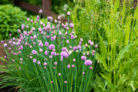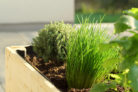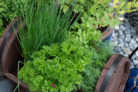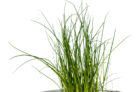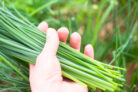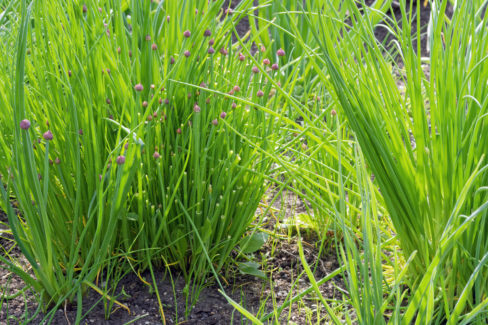
Chives are famous for being one of the toughest, most reliable herbs in the kitchen garden. In fact, many gardeners plant them as “bodyguards” for other plants to help ward off pests and diseases. But even though they’re hardy, they aren’t totally invincible. If your chives are looking a little under the weather, it helps to know what you’re up against.
Common Chive Diseases
Here are the most common issues you’ll run into when growing chives:
- Yellowing stems
- Rust fungus
How to Fix Yellowing Chives
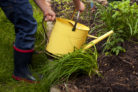
Seeing wilted, yellow stems is probably the most common headache for chive growers. Unfortunately, once they turn yellow, they aren’t great for eating. The good news? It’s usually not a “disease” at all—your chives are likely just thirsty! If the soil is bone dry, give them a good soak and try to water them more consistently. If they’re sitting in a spot with intense, all-day sun, a little afternoon shade might also help.
On the flip side, yellow leaves can sometimes mean the exact opposite: overwatering. If your chives are sitting in soggy soil, the roots can start to rot. This is a big one for potted chives. If you suspect root rot, dig the plant up and trim away any mushy, dark roots. Before replanting, loosen the soil and mix in some coarse sand to help with drainage.
Dealing with Chive Rust
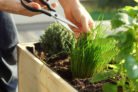
If we’re having a particularly cool, wet summer, keep an eye out for “chive rust.” You’ll recognize this fungus by the small, round, rusty-orange spots on the stems. To get rid of it, your best bet is to cut the plant back almost to the ground. Afterward, give it a boost by watering with a natural nettle tea. Just a heads-up: don’t eat those rusty stems, and definitely don’t toss them in your compost bin, or the fungus might spread to the rest of your garden!
Common Chive Pests
When it comes to bugs, aphids are the usual suspects. Occasionally, you might also deal with fungus gnats or other types of lice. If aphids are moving in, these simple home remedies work wonders:
- Nettle tea spray
- Mild soapy water
If fungus gnats are the problem, the best fix is to swap out the old soil for fresh potting mix. After repotting, cover the surface with a thin layer of sand—it prevents the gnats from laying their eggs in the dirt.