Chives are easily one of the most popular herbs in any kitchen garden—not only do they taste amazing, but they’re also packed with vitamins. Plus, they’re super low-maintenance and don’t need much space to thrive. One thing that sets them apart from many other herbs, though, is that they aren’t “light germinators.” In fact, they actually prefer the dark to get started!
What’s the deal with Light vs. Dark Germinators?
When you’re planting “light germinators,” you don’t cover the seeds with soil because they need direct sunlight to kickstart the growing process. You usually just press them gently into the surface so they don’t blow away or wash off when you water them. “Dark germinators,” on the other hand, won’t sprout if they’re exposed to direct light. These seeds need to be tucked into the soil and covered up well to do their thing.
What are the ideal conditions for chives to sprout?
Chives fall into the category of dark and cold germinators. If it’s too warm or too bright, those seeds just won’t wake up. To get the best results when sowing your chives, keep these conditions in mind:
- Temperatures should be below 65°F (18°C).
- The “sweet spot” is between 32°F and 50°F (0°C to 10°C).
- Seeds should be covered with at least half an inch (1 cm) of soil.
- Choose a location with partial shade.
Don’t worry about a little light frost; the seeds can handle it! Just make sure the ground itself isn’t frozen solid when you start.
How to sow chives like a pro
You can plant chives directly in your garden bed or in a pot. Either way, there’s no need to start them indoors on a windowsill. Most homes are actually too warm for chives to germinate properly. Even if you plan on keeping them in a container long-term, put the pot outside for the germination phase. Here’s a quick step-by-step guide:
- Pick the right spot. Keep them in partial shade until they sprout; after that, chives are happy to move into a sunnier location.
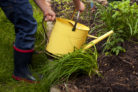
- Give the area a good watering.
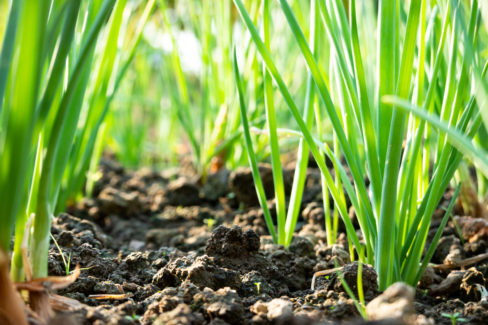
- Loosen up the soil and clear out any large stones, weeds, or old roots.
- If your soil is very heavy or clay-like, mix in a little sand to help drainage. For nutrient-poor soil, stir in some compost or organic fertilizer.
- Break up any large clumps of dirt and smooth out the surface.
- Plant your seeds about 1/2 to 3/4 of an inch (1-2 cm) deep. Make sure they are completely covered by soil.
- Give them one more thorough watering.