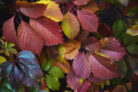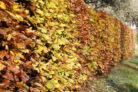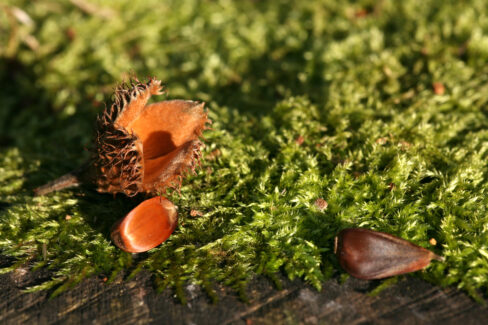
When it comes to the Copper Beech, no two years are exactly the same. Some years, these stunning trees are absolutely loaded with fruit, while other years, you’ll barely find a single nut on the ground. If you’ve ever wondered about those little beech nuts—and whether you can actually roast and eat them—you’ve come to the right place!
Harvesting in the Fall
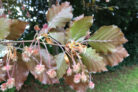
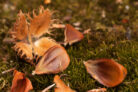
The seed pods of the Copper Beech typically ripen between September and October. As they hit the ground, they often pop right open. These little nuts, known as beechnuts, are a favorite snack for squirrels and birds. In fact, many of the trees we see today started because a squirrel buried a nut for winter and simply forgot where it was!
In the wild, beechnuts are a vital food source. They are packed with oil and nutrients, making them the perfect “fuel” for forest animals trying to bulk up before the winter chill sets in.
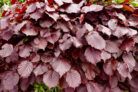
One thing to keep in mind if you’re waiting for your own tree to produce: Copper Beeches (sometimes called Purple Beeches because of those gorgeous dark leaves) are late bloomers. They usually don’t start flowering until they are 30 or even 40 years old.
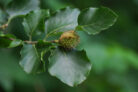
Here’s what to look for when identifying the fruit:
- They are about 3/4 of an inch long and have a grayish-brown color.
- The outer husk is slightly prickly or “spiky.”
- Each pod usually holds two to four triangular beechnuts.
Understanding “Mast Years”
Just like other beech varieties, the Copper Beech doesn’t produce a massive crop every single year. You’ll notice some years are “mast years,” where the trees produce an overwhelming abundance of seeds. This is actually a clever survival strategy—by dropping more seeds than the local wildlife could ever possibly eat, the tree ensures that at least a few will survive to become new saplings.
Are Beechnuts Safe to Eat?
Raw beechnuts contain small amounts of oxalic acid and fagin, which makes them slightly toxic if eaten in large quantities. However, there’s an easy fix: heat! Toasting or roasting the nuts breaks down these compounds, making them safe to enjoy.
Many folks in the vegan and vegetarian communities love roasted beechnuts because they are so nutrient-dense. They have a great nutty flavor and work wonderfully as a snack, or even tossed into homemade bread and cake recipes.
If you’re feeling ambitious and want to grow your own Copper Beech, you can use these seeds for propagation. Just make sure you’re collecting seeds from a healthy, established tree.
To get them started, pop the seeds in the refrigerator for about two months (this mimics winter) and then sow them in pots. Keep the seedlings indoors where it’s safe and warm until the following spring, which is the perfect time to plant them out in your garden.