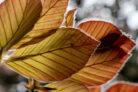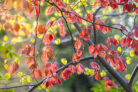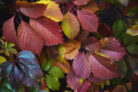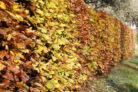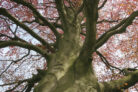
The Copper Beech (also known as the Purple Beech) is a stunning variation of the common European Beech. You’ve probably spotted them in parks, where their deep reddish-purple foliage creates a gorgeous contrast against all that green. They also make for a seriously elegant privacy hedge! If you’re curious about this purple beauty, I’ve put together a quick guide with everything you need to know.
Copper Beech: The Quick Facts
- Botanical Name: Fagus sylvatica f. purpurea
- Common Name: Copper Beech, Purple Beech
- Plant Type: Deciduous tree
- Plant Family: Fagaceae (Beech family)
- Origin: Northern and Central Europe
- Best Uses: Specimen tree for large landscapes, or as a formal hedge
- Lifespan: Up to 300 years
- Root System: Heart-shaped root system
- Max Height: Up to 130 feet
- Growth Rate: About 15 inches per year
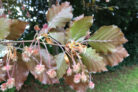
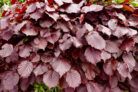
- Leaf Color: Reddish-brown, turning orange-red in fall, then green
- Leaf Shape: Oval with wavy, toothed edges
- Bloom Time: May
- Flower Color: Red
- Pollination: Monoecious (separate male and female flowers on the same tree)
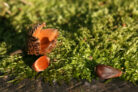
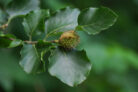
- Fruit: Beech nuts (mast) in a woody husk
- Hardiness: Very winter-hardy
That Stunning Fall Foliage
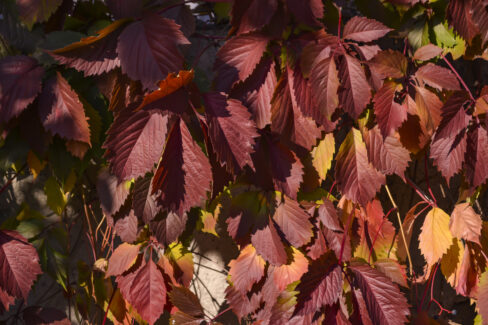
The most striking thing about the Copper Beech is definitely its leaves. That deep reddish-brown color actually comes from a natural “glitch” in its genetics!
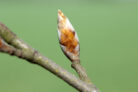
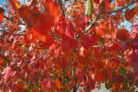
The leaves contain a high concentration of a pigment called anthocyanin. This purple pigment is so strong that it completely masks the green chlorophyll during the growing season, giving the tree its signature dark red shimmer. In the fall, the leaves put on one last show, turning a fiery orange-red before finally fading and dropping. When spring rolls around, the cycle starts all over again with fresh red buds.
Growing Copper Beech as a Hedge
If you’re looking for a hedge with some personality, Copper Beeches are a fantastic choice for privacy screening. They grow pretty quickly and provide a thick, lush wall of color from May through October.
Just a heads-up: a Copper Beech hedge does require a bit of maintenance. To keep it looking sharp and prevent it from getting leggy, you’ll want to prune it twice a year. Luckily, like all beeches, they handle pruning like a champ! Just try to avoid a “broom” shape—it’s much prettier when kept in a clean, structured form.
Fun fact: If you don’t have room for a massive tree or a hedge, you can even grow these as a Bonsai beech!
Watch Out for Wet Feet
When it comes to care, Copper Beeches are pretty similar to their green cousins. The most important rule? Avoid “wet feet” at all costs. These trees absolutely hate standing water. Because of their heart-shaped root system, they are prone to root rot if the soil stays soggy for too long. Before planting, make sure your soil is nice and loose, and consider adding some drainage if your yard tends to hold onto water.