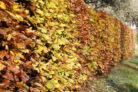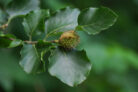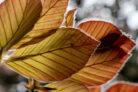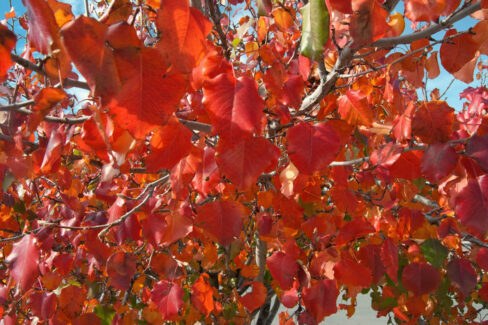
Copper Beeches (also known as Purple Beeches) are famous for being fast growers. These stunning trees, loved for their deep, moody foliage, can easily put on about 20 inches of height and width every single year. Because they’re such overachievers, they definitely need a regular trim to stay looking their best. Whether you’re growing yours as a standout specimen or a privacy screen, here are my favorite tips for keeping your Copper Beech in tip-top shape.
Trimming a Copper Beech Hedge: What You Need to Know
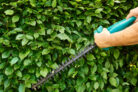
If you’ve decided to plant a Copper Beech hedge for that gorgeous splash of color, you’ll need to get comfortable with your hedge shears at least once a year.
Pro tips for the perfect cut:
- Aim to prune your hedge at least once a year, though twice is even better for a crisp look.
- Give your trees a “hard prune” (a heavy cutback) in early spring. You’ll want to do this before the new buds start to pop.
- A light “haircut” or maintenance trim in September or October will keep the shape looking sharp through the winter.
- Don’t wait for a scheduled pruning to remove diseased branches—snip those off as soon as you see them.
- Always use clean, sharp tools. Dull blades crush the branches instead of slicing them, which stresses the tree and leaves it vulnerable to pests, fungi, and other plant diseases.
Timing is Everything (and the Birds Will Thank You)
If you’re planning a major structural prune, the best time to do it is between September and March. In many places, heavy pruning is actually restricted during the spring and summer to protect nesting birds. Light shaping and removing dead wood are usually fine year-round, though.
Regardless of the season, always do a quick “roommate check” before you start clipping. Make sure there aren’t any active nests or hibernating critters like hedgehogs tucked away in the foliage.
Avoid Extreme Weather
When you’re ready to head out and trim those beautiful beech branches, keep an eye on the weather forecast. Avoid pruning in the middle of a scorching sunny day; the fresh cuts can dry out too quickly, turning the edges brown and crispy. Likewise, if it’s freezing cold, leave the shears in the shed.
If you live somewhere that gets a lot of snow, try pruning your hedge into a “tapered” or conical shape (wider at the bottom, narrower at the top). This helps snow slide right off so the weight doesn’t snap the branches. Plus, it ensures the lower leaves get plenty of sunlight for healthy growth next season!