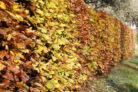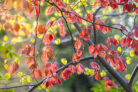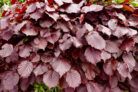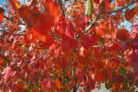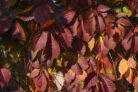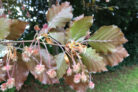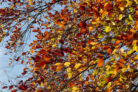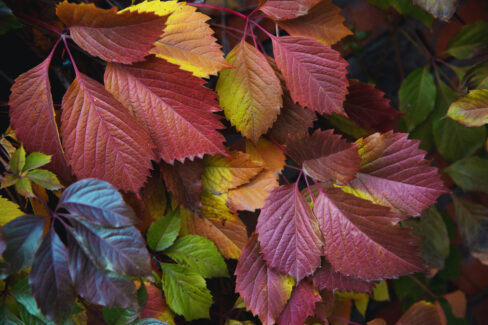
The Copper Beech is easily one of the most stunning deciduous trees you’ll find in a landscape. With those unique, deep red leaves, it’s a total head-turner! Often called the Purple Beech, these beauties are incredibly long-lived, sometimes reaching up to 300 years old. As long as you pick the right spot, this tree is tough as nails and surprisingly low-maintenance.
Give your Copper Beech plenty of light
Purple Beeches love soaking up the sun, though they’ll do just fine in partial shade too. You don’t need to worry about finding a super sheltered spot, either—this tree is hardy and stands up well to the elements.
Soil prep: It’s all about drainage
If there’s one thing the Copper Beech is picky about, it’s “wet feet.” It hates standing water, but it’s not a fan of bone-dry soil either.
For a happy tree, look for soil that hits these marks:
- Rich in organic matter (humus) and slightly calcareous (limey).
- Consistently moist, but never soggy.
- Loose and well-draining.
- A pH level between 5 and 7.5 is the sweet spot.
Spacing depends on your garden goals
If you’re planting a Purple Beech as a “specimen tree” (a solo focal point), give it some breathing room. I recommend at least 15 feet (5 meters) from other plants so its elegant shape can really shine. If you’re planning a hedge for privacy, space them about 20 inches (50 cm) apart to get that nice, thick screen.
The absolute best time to plant is in the fall. October and November offer the perfect conditions for the roots to settle in.
Pro tips for planting success
If you’re planting a larger tree, definitely grab a buddy to help! Dig a hole deep enough for the root ball and center it carefully. While you hold the tree straight, your helper can backfill the soil and gently tamp it down with their boots.
I also recommend using a planting stake. It’ll keep your young tree from leaning and ensure it grows nice and straight.
One quick heads-up: you can move a young tree if you have to, but the older a Purple Beech gets, the harder it is to transplant. So, try to pick its “forever home” early on!
Spring blooms and fall seeds
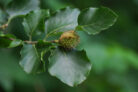
Keep an eye out in late April when the tree shows off its reddish blossoms. By September, the beechmast (fruit) will be fully ripe.
If you’re feeling adventurous and want to propagate your own, you can try sowing the beechnuts or taking cuttings. Just a tip: this usually works best with trees growing in the wild that haven’t been pruned in a while.