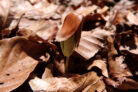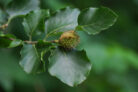
Copper Beeches, also known as Purple Beeches thanks to that gorgeous reddish foliage, are actually pretty easy to propagate yourself. There are two main ways to go about it: growing a new plant from seeds or starting one from cuttings. All you really need is access to a wild-growing tree where you can gather some seeds or snip off a few slips.
Propagating Your Own Copper Beech
If you want to grow a young tree from scratch, you’ll need to find a Purple Beech growing naturally in the wild. Believe it or not, the trees you see in neighborhood gardens usually aren’t the best choice for this. Most of those are grafted, meaning their seeds often won’t sprout at all.
So, if you’re ready to start your project, head out for a hike in the woods to find a wild tree. Once you spot one, you can collect its fruit or take a few cuttings to bring home.
Sowing Beech Nuts
Inside those prickly little husks, you’ll find two to four beech nuts. Carefully pop them out of the shell and stick them in the fridge for about two months. This step is super important! These seeds have a natural “sleep mode” (germination inhibition) that only wakes up after a good cold snap.
After those eight weeks are up, scatter the nuts into a small container filled with loose soil and cover them up. It’s best to keep these indoors while they sprout; otherwise, local mice or birds will make a quick snack out of them. By next spring, you should see the first leaves popping up, and by autumn, your little sapling will be ready to move out into the garden.
Growing New Plants from Cuttings
Propagating via cuttings is another great, simple option.
Here’s the game plan:
- Spring is the absolute best time to take your cuttings.
- Look for shoots that are about 4 inches (10 centimeters) long.
- Pick “teenager” branches—ideally about 2 years old. You want them to be a bit sturdy, but not fully woody or still bright green.
- Once you’ve made your cut, strip off the lower leaves.
- Stick the cutting into a pot filled with standard garden soil.
- Keep the pot on your balcony or patio, but make sure to protect it from hungry snails!
- Once your little plant starts pushing out new leaves, it’s ready to be planted in its permanent home.
Just a heads-up: make sure your young Copper Beech has a bit of shelter from the elements during its first few years in the yard. These little guys can be a bit delicate early on and might be prone to diseases if they get too stressed by the weather.