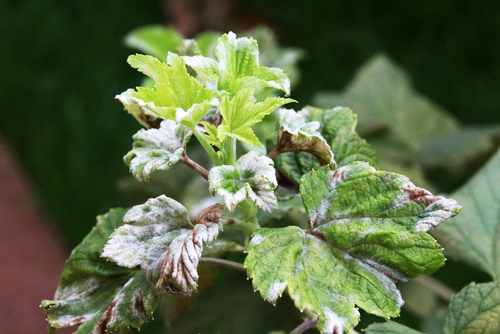
Unfortunately, there are a few pesky critters that love your currant bushes just as much as you do. These pests munch on vital parts of the plant, which can really stunt its growth and ruin your harvest. Don’t worry, though! I’ve put together a guide on how to spot the most common troublemakers and, more importantly, how to get rid of them.
Common Currant Pests to Watch Out For
First things first: the best defense is a good offense. A healthy, vigorous currant bush is naturally more resistant to pests and diseases. If your plant is strong, it can usually handle a little nibbling without any major drama. For a natural boost, try spraying your bushes every now and then with a homemade stinging nettle tea. It strengthens the leaves and acts as a great natural repellent.
Here are the usual suspects you’ll likely run into:
- Currant Blister Aphids
- Gall Mites
- Yellow Gooseberry Sawflies
- Clearwing Moths
Currant Blister Aphid
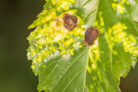
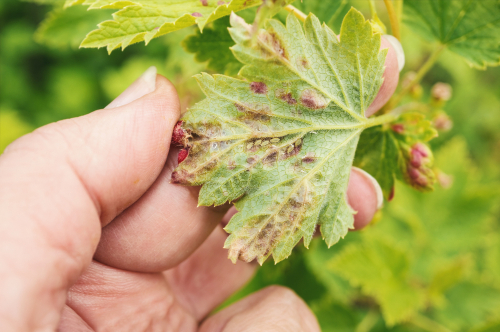
These little guys target the leaves, causing them to discolor in a very specific way. If you have red currants, the leaves will turn a bumpy red; on white or black currants, they’ll turn yellow. You’ll notice “blisters” or puckering on the top of the leaves—hence the name.
If you spot an infestation, treat your plant like you would for any other aphid problem. A simple mixture of insecticidal soap and water or a stinging nettle wash works wonders. Give the leaves a generous soak, and that should send the aphids packing.
Gall Mite
If you notice buds on your currant bush that look unusually swollen or “puffy,” you’re likely dealing with gall mites. As these tiny mites develop, they create galls—small, subtle raised bumps on the leaves. Eventually, the affected buds will die off, and the leaves will become deformed and drop prematurely.
The best way to handle this is to prune away all infested parts of the plant. Make sure to clear away any buds or leaves that have already fallen to the ground, too. To keep them away, spray your bush once a week with tansy tea. Tansy is a yellow-flowering herb with a very strong scent that mites absolutely hate.
Yellow Gooseberry Sawfly
This pest is a tough one! These sawflies can strip a bush bare, eating everything until only the “skeleton” of the leaf veins remains. To make matters worse, they lay tiny larvae on the leaves that are almost impossible to see with the naked eye. You might need to grab a magnifying glass to find them. If you see them, you’ll need to either remove the infested leaves entirely or pick the larvae off by hand.
Clearwing Moth
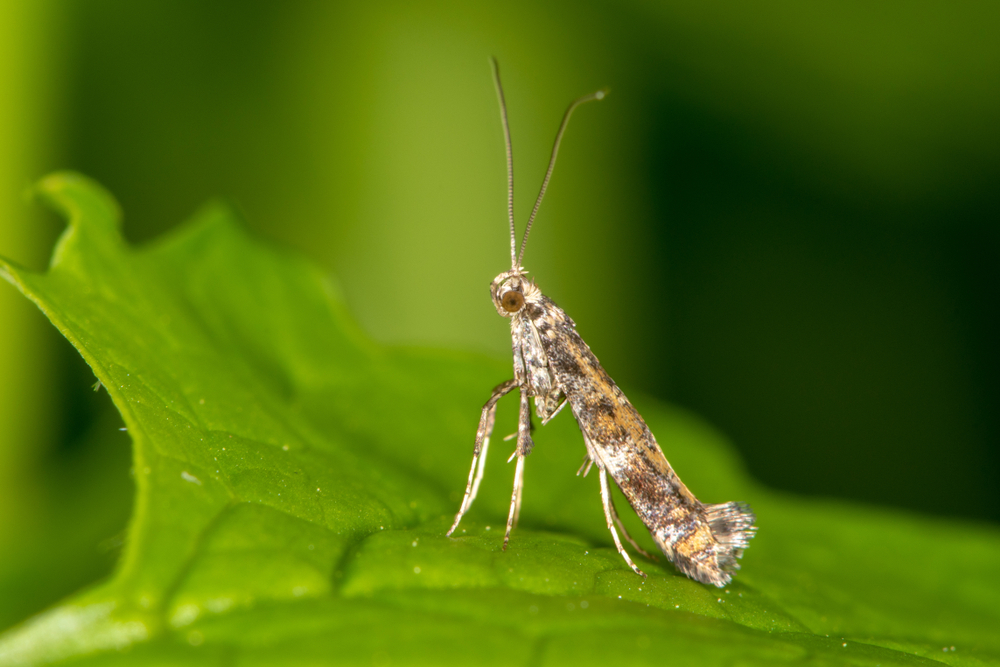
This pest might look like a harmless moth, but it’s bad news for your currants. They lay their larvae inside the stems, which causes the shoots to wither and die from the inside out. If you see dying branches, cut them out immediately. As a preventative measure for next year, try draping some fine insect netting over your bushes in the spring to keep the moths from laying eggs in the first place.