title: Pruning Currants – Your Go-To Guide
If you want a bumper crop of juicy currants, you can’t skip the pruning! Regular trimming is the secret sauce for a healthy harvest. However, not all currants are created equal—black currants, in particular, need a little special treatment compared to their red and white cousins.
When to Prune
The best time to grab your shears is either right after the harvest or in the early spring before things start budding. There are a few exceptions, like if you just planted new bushes in the fall, but generally, those are your two main windows.
One pro tip: avoid pruning during those scorching hot summer months. It stresses the plants out, and the cuts tend to dry out deeper into the wood than you’d want, which might force you to go back and prune again later.
The Right Tools for the Job
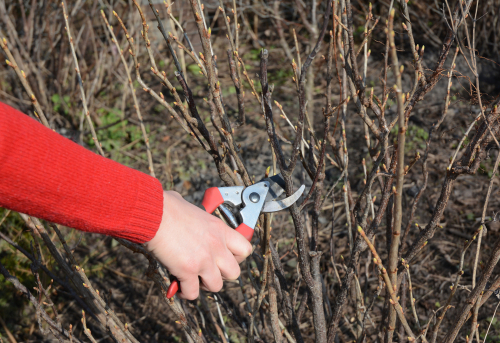
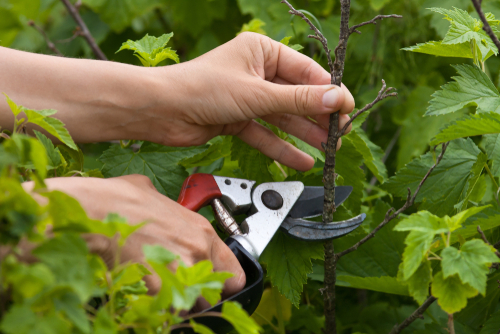
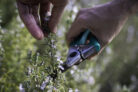
Before you head out to the garden, make sure you have the right gear ready. Cleanliness is key! Always disinfect your tools before you start and again before moving from one bush to the next. This keeps nasty pests and diseases from hitching a ride across your garden.
Here’s what you’ll need in your kit:
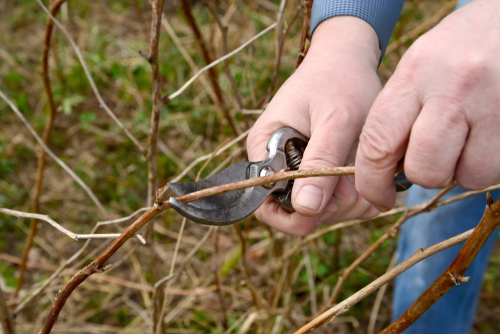
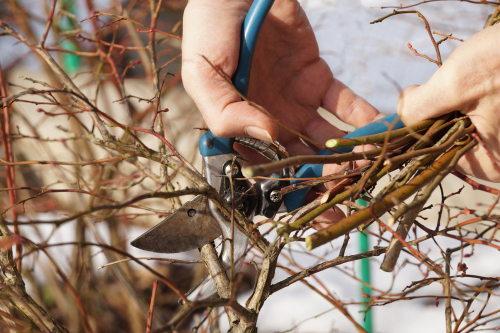
- Bypass pruners (for the smaller stuff)
- Loppers (for thicker branches)
- A small pruning saw (for the heavy lifting)
Make sure everything is nice and sharp. Dull blades crush the stems instead of cutting them, which can lead to dieback and invite rot.
Pruning Techniques
Most folks grow currants as a classic bush, but you might also see them grown as “standards” (which look like little trees on a single trunk). This is common for grafted plants and is a total space-saver. The trade-off? You usually get a slightly smaller harvest than you would from a full bush.
That said, standards look gorgeous and are super easy to maintain, making them a perfect choice if you’re growing currants in pots on a patio.
Red and White Currants
Red and white currants are basically twins when it comes to pruning. To get it right, you need to know where the magic happens: the fruit grows mostly on wood that is two to three years old. Once a branch hits its fourth year, its productivity takes a nosedive, and it’s time for it to go.
Aim to keep about eight to twelve main canes per bush. This means you can comfortably remove two or three of the oldest canes every single year to make room for new growth.
How to do it:
- Pick out the oldest, woodiest canes.
- Use your saw or loppers to cut them out.
- Cut them as close to the ground as possible.
- Don’t leave any “stubs”—they’re just an invitation for disease.
Black Currants
Black currants are the rebels of the family. They actually produce the best fruit on long, one-year-old shoots. When pruning these, focus on removing any weak or spindly growth. You’ll want to head back the main canes just above the second or third side shoot.
If you see old canes that aren’t producing those long side shoots anymore, cut them out entirely. Since black currant wood can get quite thick as it ages, you’ll definitely want that pruning saw handy.
Thinning Out
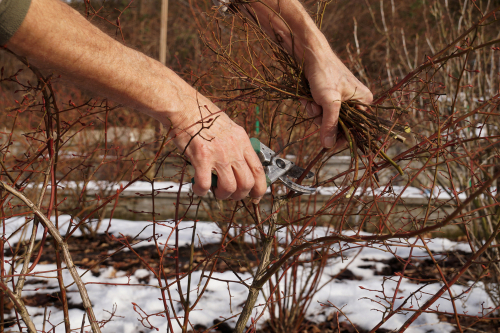
Sometimes, regardless of your yearly maintenance, a bush just gets too crowded. That’s when you need a “thinning cut.” The goal here is to give the strong, young shoots some breathing room. Don’t be shocked if a properly thinned bush looks a little sparse afterward—that’s actually a good thing!
A lot of home gardeners are a bit too timid here because they’re worried about losing their harvest. While you might see a slightly smaller crop the following summer, the plant will usually come back twice as strong the year after.
Thinning also prevents “shattering” (where flowers drop off prematurely). In years with weird weather, a crowded bush might drop its blossoms as a survival tactic because it can’t support all that growth. Thinning helps the plant focus its energy on producing quality fruit.
Rejuvenation Pruning
If you’ve inherited an old, overgrown garden, you might need to do a “rejuvenation cut.” You’ll know it’s time if the branches are covered in lichen and look a bit tired.
This is a heavy-duty prune, but it has a silver lining: the branches you cut off are perfect for making cuttings to grow new plants! Currants are incredibly easy to propagate—just stick a cutting in the dirt, and it’ll usually have roots by fall.
For a rejuvenation prune, cut out all the old, lichen-covered wood right down to the ground. Again, avoid leaving stubs! Even if you end up removing a huge chunk of the bush, don’t panic. Currants are tough; they’ll send up vigorous new shoots, and you’ll likely be picking berries again before you know it.